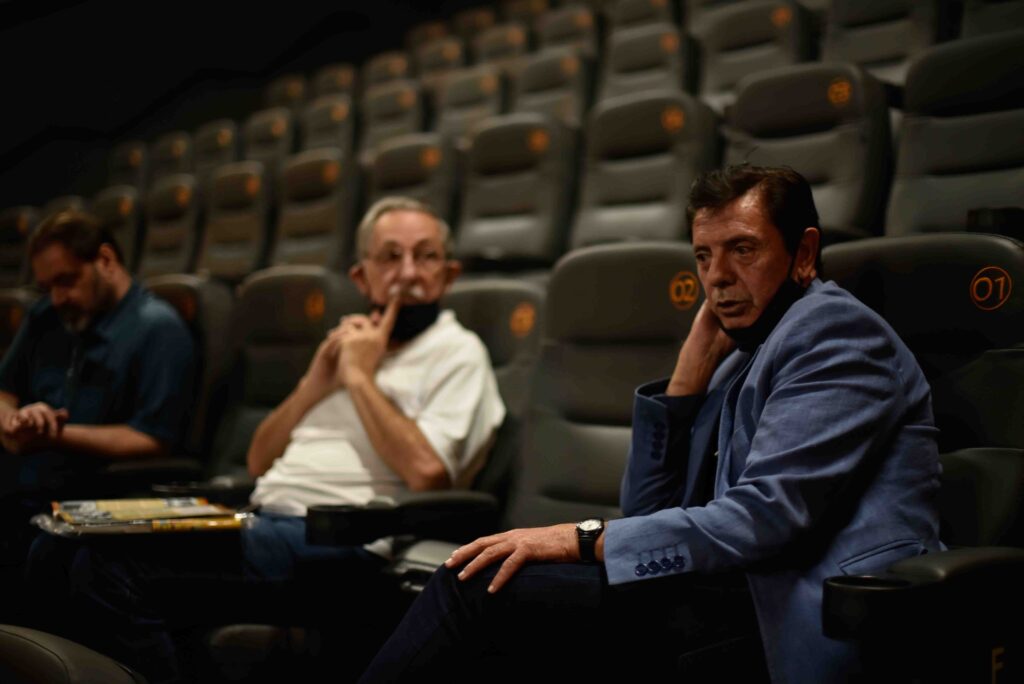

To celebrate Joaçaba’s 104th anniversary, the Chica Pelega Festival – Contestado in Focus brings together films divided into 3 categories: Filhos da Terra (Children of the Land), Nossa Memória (Our Memory) and Causos e Contos (Tales and Stories).
The festival’s title is a tribute to Francisca Roberta, known as Chica Pelega, born in Limeira, now Joaçaba. Chica was a leader and combatant of the Contestado War, a mix of legend and history and a synonym of strength.
The 1st Chica Pelega Film Festival takes place on August 23, 2021, at Cine Gracher to celebrate the city’s 104th anniversary. Some highlights of the programme are the features PSW – uma crônica subversiva, from 1987, with Antônio Fagundes and directed by Paulo Halm and Luiz Arnaldo Dias Campos; and Terra Cabocla, by Marcia Paraiso and Ralf Tambke, of Plural Filmes, which investigates the Contestado War from the point of view of the Caboclo people, especially the Renascença Cabocla Cultural Group of Fraiburgo.
Among the shorts, three are directed by Joaçaba natives: Irani (1983) by Rogério Sganzerla; Olhar Contestado (2012) directed by Fabianne Batista Balvedi, who creates movement for the photos of Claro Jansson, a photographer hired by the Lumber timber company; and Larfiagem (2017) by Gabi Bresola, which tells the story of the grinfia or hervalês, a cryptolect created by children and teenagers who worked informally at the Herval d’Oeste railway station (now deactivated) and invented a language of their own whose expressions are spoken to this day.
About the sessions:
Session: Filhos da Terra
So as not to forget the peoples who live and resist on our land.
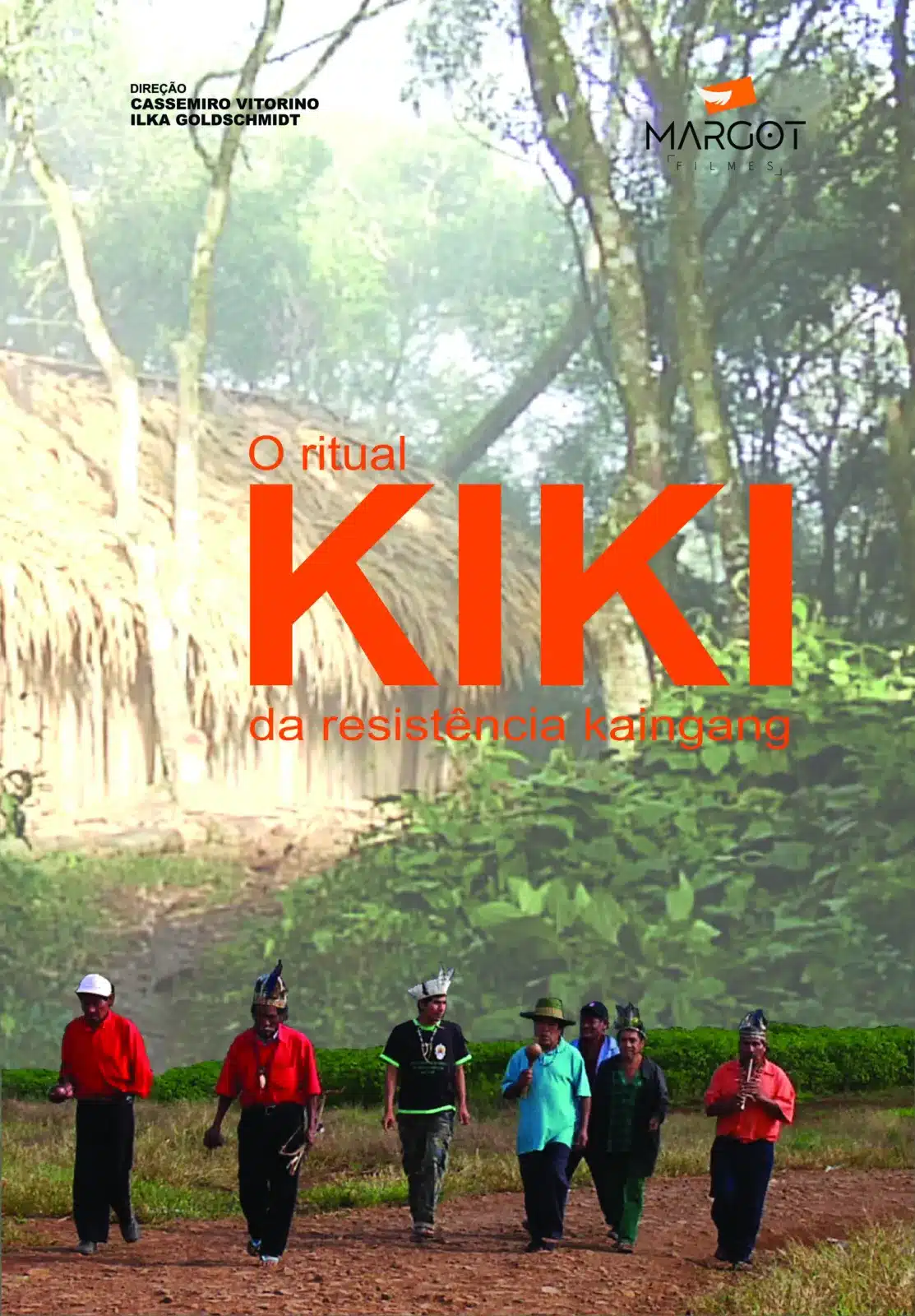
Kiki – O Ritual da Resistência Kaingang
2014. 34 minutes. Documentary. General audiences. Directed by Cassemiro Vitorino and Ilka Goldschmidt.
The most important ritual of the Kaingang indigenous ethnicity, the Kiki, held in 2011 at the Condá village in western Santa Catarina (Brazil). The preparations in the forest and in the village. The expectation of the elders who wished to experience a complete ritual, as had not been done in a long time, and of the young people who had never taken part in the Kiki. The building of the houses in the forest, the arrival of the shamans, the preparation of the drink, the painting of the marks on the faces defining the two halves: kamé and kainru-kré. Holding the ritual was an attempt to revitalize and strengthen Kaingang dualism.
Terra Cabocla
2015. 82 minutes. Documentary. General audiences. Directed by Marcia Paraiso and Ralf Tambke.
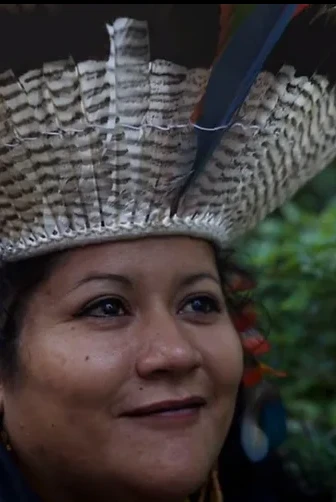
A hundred years after a war of extermination against the traditional population of the Santa Catarina highlands — the Contestado War — the beauty, intensity and faith that translate into the cultural resistance of the Caboclo people, the original representatives of Santa Catarina’s population. A true story that gets no more than 2 paragraphs in textbooks and that remains silenced a century after the genocide.
Session: Nossa Memória
So we never forget who we are.
Irani
1983. 8 minutes. Documentary. General audiences. Directed by Rogério Sganzerla.
The filmmaker, camera in hand, mingles with the characters of the festival that marks the anniversary of the Contestado War in the city of Irani. A camera that approaches the horses head-on, that traces circular movements, establishes a grammar that emerges from the staging built by the town’s population. The film is his way of looking at his past in order to construct a history that represents him.
Olhar Contestado
2012. 15 minutes. Documentary. General audiences. Directed by Fabianne Batista Balvedi.
The animation of virtual cameras over photographic records, illustrations and rotoscoped drawings on period documentaries provides the visual elements needed for a detailed reconstruction of the sites, characters and events of the Contestado War. The main photographs used are by Claro Jansson, a photographer hired by the Lumber timber company, who recorded key moments of what became known as the “Holy War of the South.” “The Contestado is still a war full of question marks, full of doubts, about what really happened.”
PSW – uma crônica subversiva
1987. 50 minutes. Fiction. Ages 14+. Directed by Paulo Halm and Luiz Arnaldo Dias Campos.
Brazil, 1973. During a train journey, the ousted former congressman Paulo Stuart Wright recalls his political trajectory, from Christian militant in Santa Catarina to leader of a left-wing organization that fought the military dictatorship, unaware that this would be the last time he would be seen alive. Paulo Wright “disappeared” shortly after this trip. Testimonies say he died on the premises of the Doi-Codi, a victim of torture commanded by Major Brilhante Ustra.
Session: Causos e Contos
So as not to be afraid of being who you are.
Larfiagem
2017. 26 minutes. Documentary. General audiences. Directed by Gabi Bresola.
Shoeshine boys, luggage porters and other children aged 7 to 15 mingled with travelers at the Herval d’Oeste railway station in the 1950s. To survive, buy comic books and go to the cinema — dodging inspectors, police and even their own parents — they invented a language of their own. Today, decades later, Larfiagem survives as a memory of its last speakers, now adults, who still know, teach and decipher the secrets of its nouns and pronouns.
Primeiro Assalto ao Trem Pagador
2013. 56 minutes. Docudrama. General audiences. Directed by Ernoy Luiz Mattielo.
Between the divergences of popular tales and the official version of events, the story relived here recounts that on Sunday, October 24, 1909, in the Contestado Region — SC, Brazil, the place where the municipality of Pinheiro Preto would later arise, José Antônio de Oliveira, a former combatant of the Federalist Revolution and then a contractor building the Contestado Railway, would go down in history as: the Executor of the 1st Robbery of the Paymaster Train.