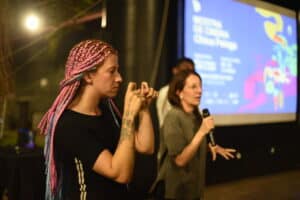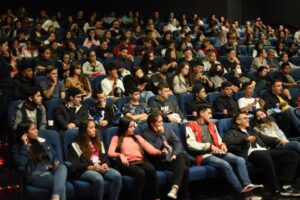
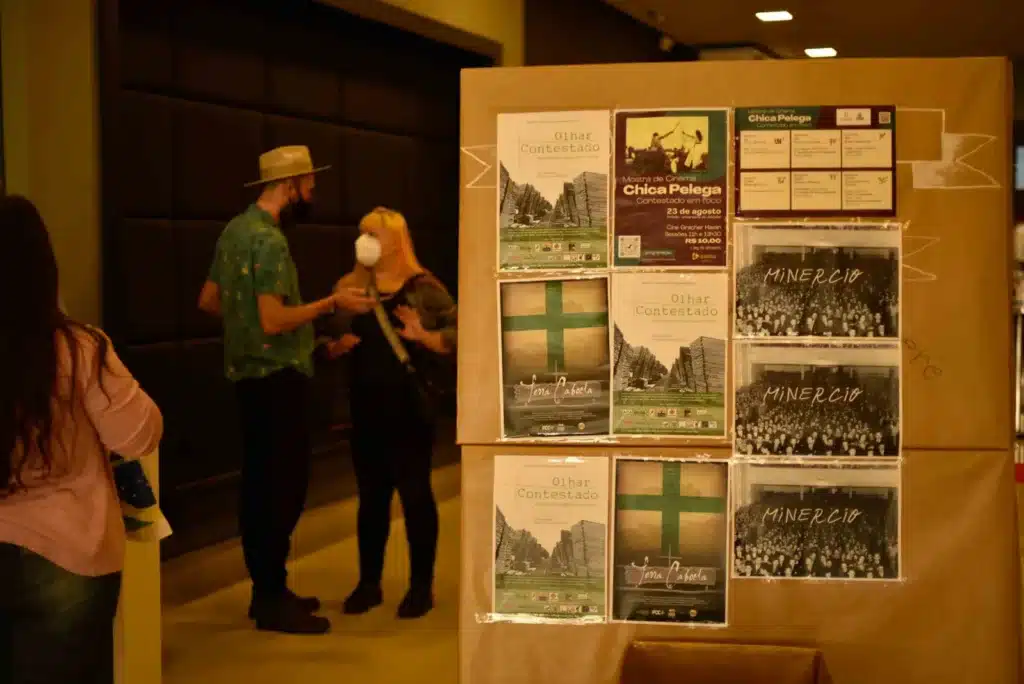

On August 23, 2021, to celebrate Joaçaba’s 104th anniversary, the 1st Chica Pelega Film Festival — Contestado in Focus was born. Without any public funding, made against the odds and in partnership with Cine Gracher, the festival occupied the cinema’s three theaters in two rounds of sessions, at 11 a.m. and 1:30 p.m. The name is a tribute to Francisca Roberta, known as Chica Pelega, born in Limeira (now Joaçaba), a leader and fighter of the Contestado War — a blend of legend and history, and a synonym of strength. The curatorship was by Joaçaba filmmaker Rudolfo Auffinger, who already ran a free online film club on Pupilo TV’s YouTube channel.
The ten films were organized into three curatorial axes, each with an invitation:
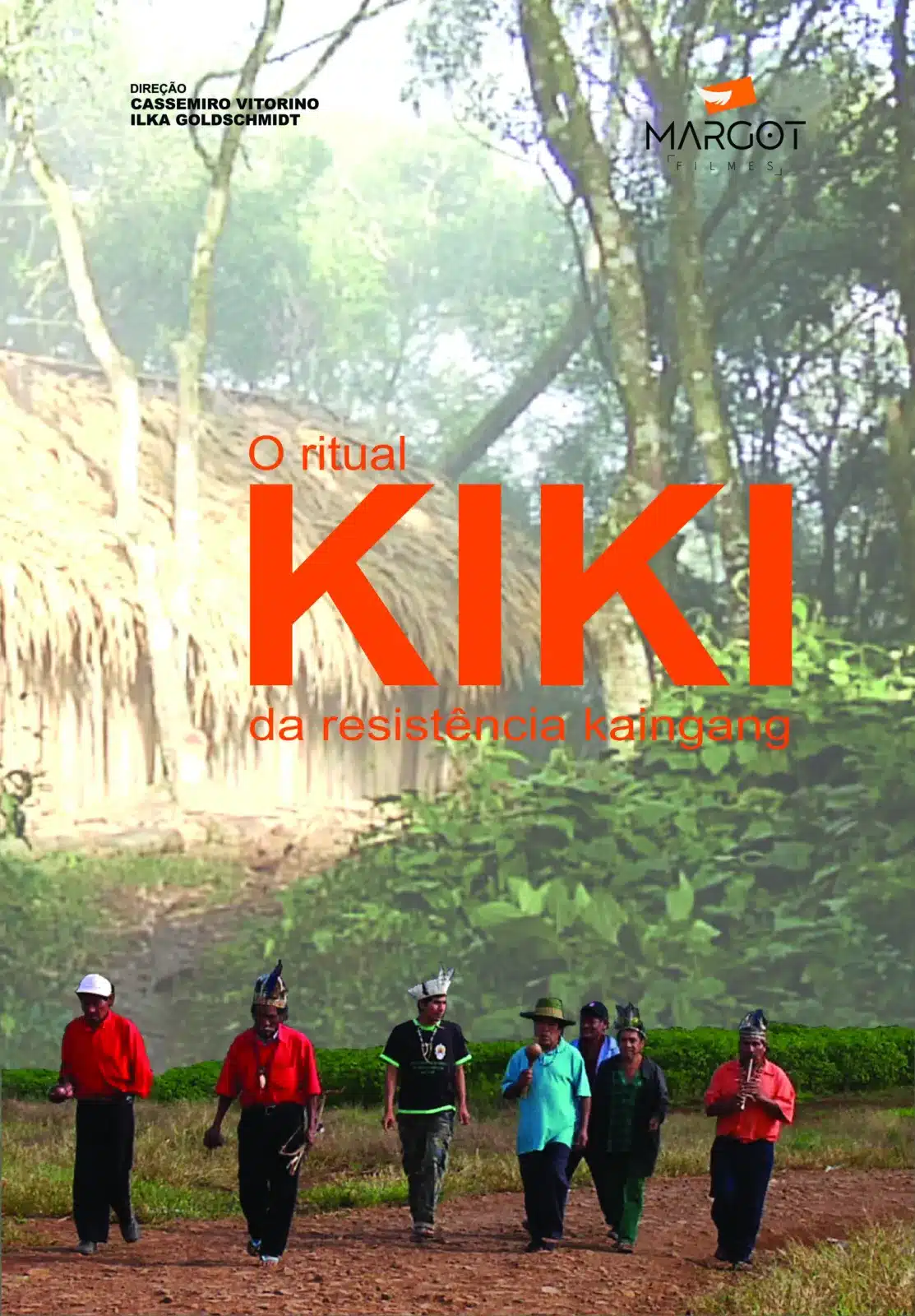
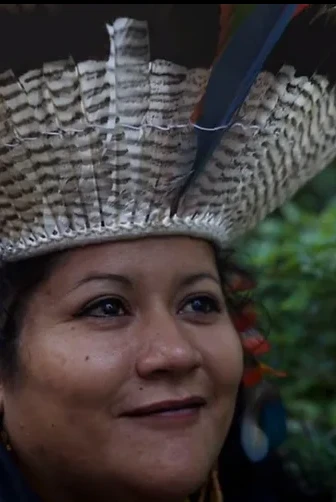
Filhos da Terra (Children of the Land) — “so as not to forget the peoples who live and resist on our land.” Here were Kiki – O Ritual da Resistência Kaingang (Cassemiro Vitorino and Ilka Goldschmidt, 2014), about the revival of the most important Kaingang ritual in the Condá village, in western Santa Catarina; and Terra Cabocla (Marcia Paraiso and Ralf Tambke, 2015), which looks, a hundred years later, at the strength of the cultural resistance of the Caboclo people — the original representatives of Santa Catarina’s population, silenced by a century of a war of extermination.
Nossa Memória (Our Memory) — “so we never forget who we are.” This axis gathered three works about the Contestado and its reverberations. Irani (1983), by fellow local Rogério Sganzerla — which provided the festival’s cover image —, mixes the filmmaker with the festival that marks the war’s anniversary in the city of Irani. Olhar Contestado (Fabianne Batista Balvedi, 2012) reconstructs, through animation and rotoscoping over the photographs of Claro Jansson, the sites and characters of the conflict that involved 20,000 backlanders and 80% of the Brazilian Army between 1912 and 1916. And PSW – uma crônica subversiva (Paulo Halm and Luiz Arnaldo Dias Campos, 1987), with Antônio Fagundes, follows the last train journey of the ousted congressman Paulo Stuart Wright, who disappeared under the military dictatorship.
Causos e Contos (Tales and Stories) — “so as not to be afraid of being who you are.” Closing the selection were Larfiagem (Gabi Bresola, 2017), about the secret language invented by the children who worked at the Herval d’Oeste railway station in the 1950s and which survives in the memory of its last speakers; and the docudrama Primeiro Assalto ao Trem Pagador (Ernoy Luiz Mattiello, 2013), which revives the 1909 robbery in the region that would become Pinheiro Preto.
At the end of the sessions, the audience also took part in talks with filmmakers — among them Fabianne Balvedi, Marcia Paraiso and Paulo Halm — in a “Live Launch” broadcast by Pupilo TV.
None of this would have happened without those who rolled up their sleeves. Thanks to the volunteers of this first edition: Rudolfo Auffinger (general direction and curatorship), Cristina de Marco (communication), Keythe Tavares (production) and Luana Callai (photography, from Janela Verde) — as well as the partners Cine Gracher, VMS Filmagens and Móveis Willy. More than a film session, the debut planted what would become a circuit: the caboclo and contestado gaze taking over the screen, close to home.