

ARTHUR LUIZ PEIXER
Teacher in the municipality of Rio das Antas/SC, holding a degree in History from UNESPAR, União da Vitória/PR campus, with graduate studies in interdisciplinarity and pedagogical practices in Education from IFSC, Caçador campus, and Innovation in Education from UNIARP, Caçador campus. E-mail: arthurpeixer@gmail.com.
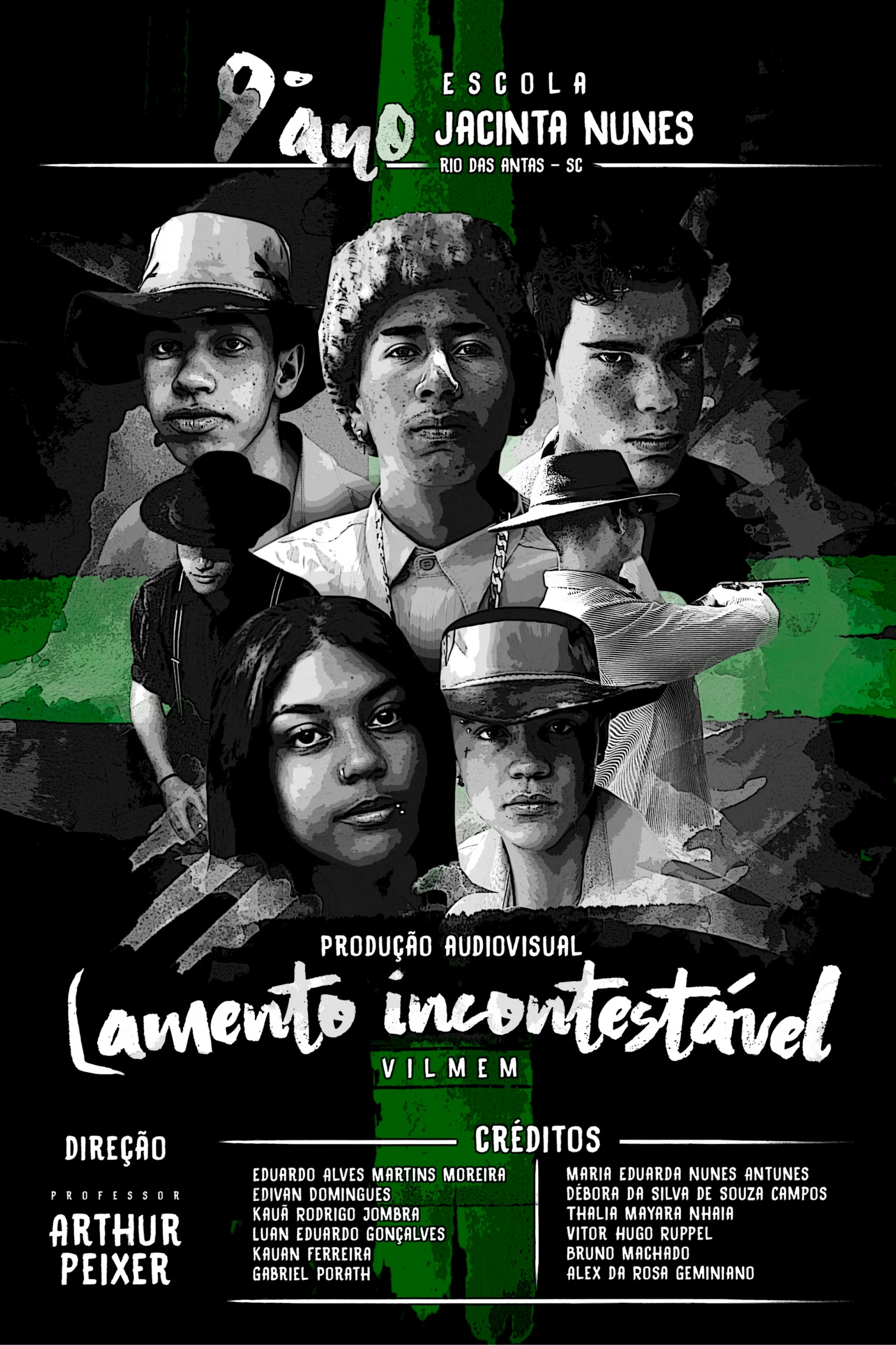
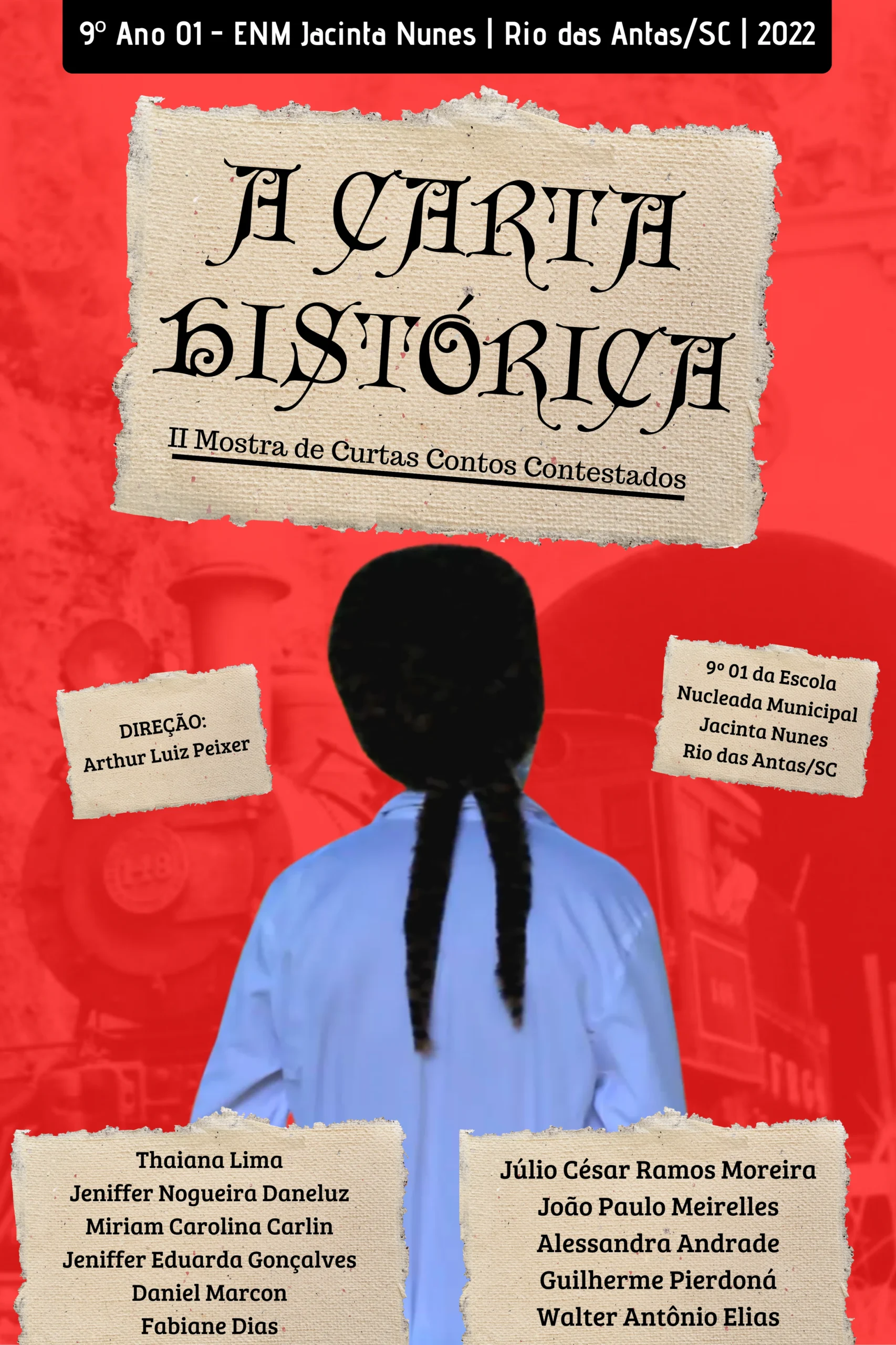
This work seeks to present a continuous pedagogical proposal for producing short films in the Final Years of Elementary School, focusing on the sertanejo movement of the Contestado. The Curtas Contestados project has been carried out since 2019 in the city of Rio das Antas (SC), with 9th-grade students of the Jacinta Nunes Municipal Nucleated School. In this endeavor, developed in the History subject with interdisciplinary exchanges across several areas of knowledge, the aim is to present the practical experience of producing short films, which result from the process of theoretical studies on the Contestado theme, linked to the production of fictional short stories set within the movement. The stories are analyzed, discussed and shared with the Portuguese Language teacher, generating possibilities for adaptation into film scripts. These notions of cinema are worked on in the History subject and developed by the students, who are protagonists of the learning and production process. The Contestado framing is fundamental in considering aspects of the local and regional history of the municipality of Rio das Antas (SC), occupying spaces directly related to the consequences of the conflict and allowing a learning process that is seen and felt.
INTRODUÇÃO
Pedagogical practices in the teaching of History currently transcend the classroom space and seek to bring together information technologies through social media. This path of production, which allows a huge range of work for teachers in the Basic Education classroom, also presents itself as an enormous challenge for the construction of teaching methodologies, in addition to the selections necessary when tracing the historical factors to be worked on with students based on this choice of themes. In this way, the present work aims to present methodological proposals
for teaching local history through cinematographic practices, in which students become creators and not merely recipients of historical learning. The account described here, together with the methodological construction, is part of the development process of the “Curtas Contestados” project, begun in 2019 with 9th-grade students of the Final Elementary School years at the Jacinta Nunes Municipal Nucleated School in the municipality of Rio das Antas (SC) (PEIXER, 2021).
The main object of analysis of the project is the Contestado conflict, which took place between 1912 and 1916 and is part of the historical reality of the municipality where the presented practices are articulated — yet in a context of invisibility, due to its character of popular resistance in the face of the policies of erasure of the caboclo population at the beginning of the 20th century by the Brazilian and Santa Catarina governments.
Thus, the articulation between teaching, research and creation becomes the main object of work, observing the collective constructions and the attribution of students as historical and teaching-learning subjects. Providing innovative practices, going beyond traditionalism in the acquisition of knowledge and carried out continuously, can be a key to raising awareness and understanding oneself as an intrinsic part of the place where one lives.
THE CITY OF RIO DAS ANTAS AND THE CONTESTADO CONFLICT
The municipality of Rio das Antas (SC), officially founded in 1919, is located in the Contestado region, in the Upper Valley of the Rio do Peixe, and has a population originally composed of indigenous people and caboclos. Its occupation expanded from 1875/1880, mostly by drovers, yerba-mate workers and ranchers, especially on lands considered vacant (devolutas) and then belonging to Paraná. With the construction of the São Paulo-Rio Grande Railway (EFSPRS) and the installation of the company Southern Brazil Lumber & Colonization Company, founded in 1912, a colony was created near the Rio das Antas station,
a German one, with immigrants coming mainly from Joinville and Blumenau (SCAPIM, 2022). Currently the municipality has a population made up mostly of descendants of Europeans. In a smaller but equally important portion, there is a population descended from caboclos and indigenous people.
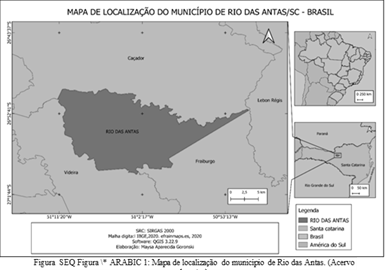
The Contestado conflict broke out in the context of the First Brazilian Republic, between 1912 and 1916. As Nilson César Fraga states, there were several causes of the armed conflict, since at that moment a messianic movement of great proportions emerged, along with disputes over the possession of the lands of the Contestado region, an economic competition for the exploitation of natural resources and the question of interstate boundaries. (FRAGA, 2017).
The movement is messianic in character, and in this respect the actions of the Contestado monks, João Maria and José Maria, stand out. Both are part of a centuries-old tradition established in the Contestado region, with the devotion to them represented by a kind of rustic, unofficial Catholicism. To these figures are attributed miracles, prayers, cures, teas and various kinds of sacred symbolism, as Nilson Thomé states:
In short, this João Maria — the monk, the prophet, the pilgrim, the saint to the caboclos, the healer, the most venerated figure in the Contestado, who to this day is the object of devotion of a significant portion of the regional population — a devotion witnessed in crosses, little chapels, enclosed resting places, oratories, little water wells, blessed trees, grottoes and photographs bearing his image. (THOMÉ, 1999, p. 120).
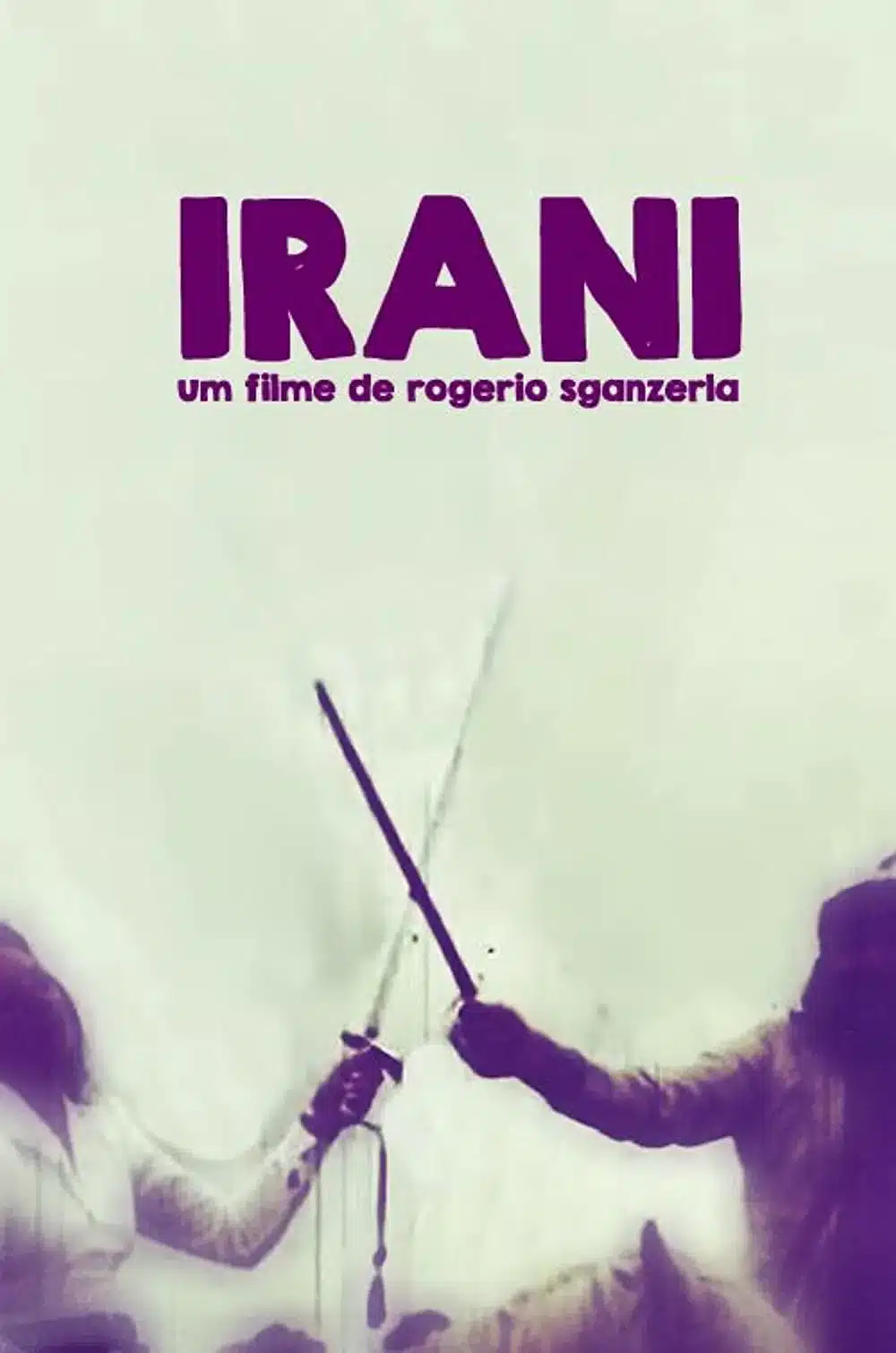
José Maria, in turn, was characterized by being less isolated than his predecessor, and became known for the gathering of people around him at the Bom Jesus encampment, in the Taquaruçu region. Moreover, his knowledge of herbs, teas and cures was greater than that of his predecessor. The fact that he did not charge for his services made his fame spread. Seen by many as a charlatan, and also by many as a saint, the fact is that he became a kind of leader, including in battle. (MACHADO, 2004) In 1912, the monk died in the so-called conflict of the great marsh of Irani, in which caboclos were attacked by the military forces of Paraná on October 22. This is considered the official prologue of the Contestado conflict.
From the developments that followed at the end of 1913, several holy cities — that is, caboclo communities built with the aim of following the communal way of life preached by the monk — emerged. This occurred mainly because of the attack carried out by the Brazilian army on February 8, 1914, on the village of Taquaruçu, bombarded by the military. Thus, from these events, the figures of the battle commanders emerged, who were caboclos organized to undertake reactions to the violent attacks received until then from the official forces of republican Brazil. This is how the so-called generalized rebel offensive took shape, between August and November of that year.
In this context, as part of these reactions undertaken by the rebels, on November 2, 1914, the Village of Rio das Antas was attacked by the caboclos who had been despoiled of their lands. The battle command was in the charge of Francisco Alonso de Souza, known as Chiquinho Alonso. He had commanded the offensives at the timber mills of São João dos Pobres (now Calmon (SC)) and Três Barras (PR). According to Márcia Janete Espig:
The moment of the attack (November 1914) marked an especially delicate period for the Contestado rebels. […] between July and November 1914 the movement had reached great expansion, in a “generalized offensive” that resulted in a large number of deaths, among which figures the emblematic assassination of Captain Matos Costa. In September of that same year, the command of the Military Expedition in the Contestado was passed to General Fernando Setembrino de Carvalho, who had a volume of resources – financial and human – immensely superior to the previous Military Expeditions. When, a month before the attack, the rebel commander sent word to the settlers of Rio das Antas that they should withdraw from the locality under penalty of a merciless assault, the movement was already entering its downturn. (ESPIG, 2019, p. 96).
The then village of Rio das Antas set in confrontation the European immigrants, who had won the land concessions of the Southern Lumber, and the caboclos who fought for the right to land. The caboclo of the Contestado, under
the claim of being on vacant lands, was expelled from the region of Rio das Antas, as also happened in various regions of the Contestado territory, to the benefit of the arrival of the European immigrants who would buy these lands, now in the possession of the Farquhar companies. (ESPIG, 2019). In this conflict, the leader Chiquinho Alonso is said to have fallen into a trap of grimpas (thorny branches) and gone blind, receiving the coup de grâce from Augusto Solle. In Alonso’s untamed picket was the one who would be the next and last great general leader of the rebel caboclos: Adeodato Ramos. It is said to have been he who took Alonso’s horse to his wife, Mariquinhas, after Alonso was struck down in Rio das Antas. The place where the conflict took place in Rio das Antas is marked by a monument erected in 1989 on the occasion of the 70th anniversary of the boundary agreement between Paraná and Santa Catarina (SCAPIN, 2022).
However, the Contestado movement has historically undergone a process of erasure and/or distortion. These occur through discourses that, as Rogério Rosa Rodrigues points out, impute to the caboclos the image of “bandits, looters and murderers, such that the children who today live in the region affected by the Contestado War do not identify with them” (RODRIGUES, 2021, p. 53). As Rodrigues (2021) further notes, this was an image constructed of the history of the Contestado, written at the end of the conflict by the “historians in uniform” — military men who wrote their versions from the accounts of the conflict — referring to the caboclo as a dangerous fanatic. An image reinforced in the newspaper articles of the Santa Catarina and Paraná capitals and with the support of the local elites of the time.
The holy cities were labeled a stronghold of bandits, and the causes of the rebellion were explained through prejudiced categories that at times bet on the supposed naivety of the country man, at times on his alleged propensity for fanaticism, and at times, finally, on those savage instincts that put them on the verge of committing the greatest barbarities in the name of ill-intentioned political causes (RODRIGUES, 2021, p. 142).
In this way, in the Contestado space in Rio das Antas, an invisibilization of the caboclo population is observed, a fact that points to the need to reframe prejudiced views perpetuated for decades in the popular imagination. However, the scarcity of teaching materials and spaces in the official narrative, in addition to the absence of policies valuing Local History in the regular teaching of the History subject, creates the need for teachers themselves to seek alternatives for approaching and discussing the sertanejo movement and its narrative plurality, both in didactic planning and in the development of qualitative and quantitative assessments.
THE CONTESTADO CONFLICT AND CINEMATOGRAPHIC PRACTICES
In the History curriculum of elementary school, the Contestado conflict appears as a 9th-grade theme, a subtopic of Republican Brazil. Even though it appears in the curriculum, the presence of the Contestado in teaching materials is scarce. When mentioned, it is often reduced to a footnote and/or is incorrectly referenced. According to Paulo Pinheiro Machado (2017), the sertanejo conflict of the Contestado has a wide bibliographic range; however, there is a need to create innovative parameters and teaching materials that allow the Contestado to reach the general public.
Thus, the proposal presented here seeks to develop the pedagogical practice on the Contestado movement, organizing teaching materials from academic articles and works about the conflict. This process is annually reviewed and worked on with 9th-grade Elementary School classes, since 2019, in the city of Rio das Antas (SC).
The analysis of the movement starts from key elements of the conflict: such as the Combat of Irani (1912); the Massacre of Taquaruçu (1913 – 1914); the rise of Maria Rosa and the formation of the Caraguatá stronghold (1914); the generalized rebel offensive (1914); the battle of Rio das Antas (1914); the leadership of Adeodato Ramos (1915-1916); aviation in the Contestado (1915); and, finally, the final siege and the period of the “Butcher Shop” (Açougue), which consists of the hunting down of the survivors of the Contestado conflict (1915-1916). This methodological work, based on the dynamic of the dialogical expository lesson (LOPES, 1995), with descriptive questions, guides the theoretical debate and the discussions with students about the historical process of the Contestado.
Concurrently with the theoretical analysis, the students in the Portuguese Language subject study the short-story textual genre, in which they use the theme of the Contestado conflict as a central element and backdrop for the creation of situations and characters. With this, adaptations of events, diverse stories and even alternative versions of moments of the Contestado conflict may emerge — yet using historical elements such as customs, clothing, sites where the conflict was ignited, among others.
The production of the short stories, combined with historical learning, allows the students to appropriate the spaces of the city and region where they live, imagining situations that enable an understanding of the dynamics of the place where they are inserted, connecting them with the historical events of their region, using imagination as a means. It also makes it possible to imagine and reframe their presence on the stage of events, interfering directly in their historical experiences. Helder Viana (2017), for example, states that learning in local history allows precisely the breaking of Eurocentric learning, enabling the student to understand
themselves as a subject of history, aiding in the renewal of their historiographical view, delimiting time and space.
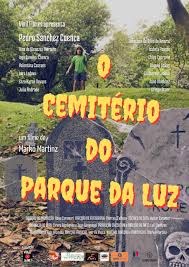
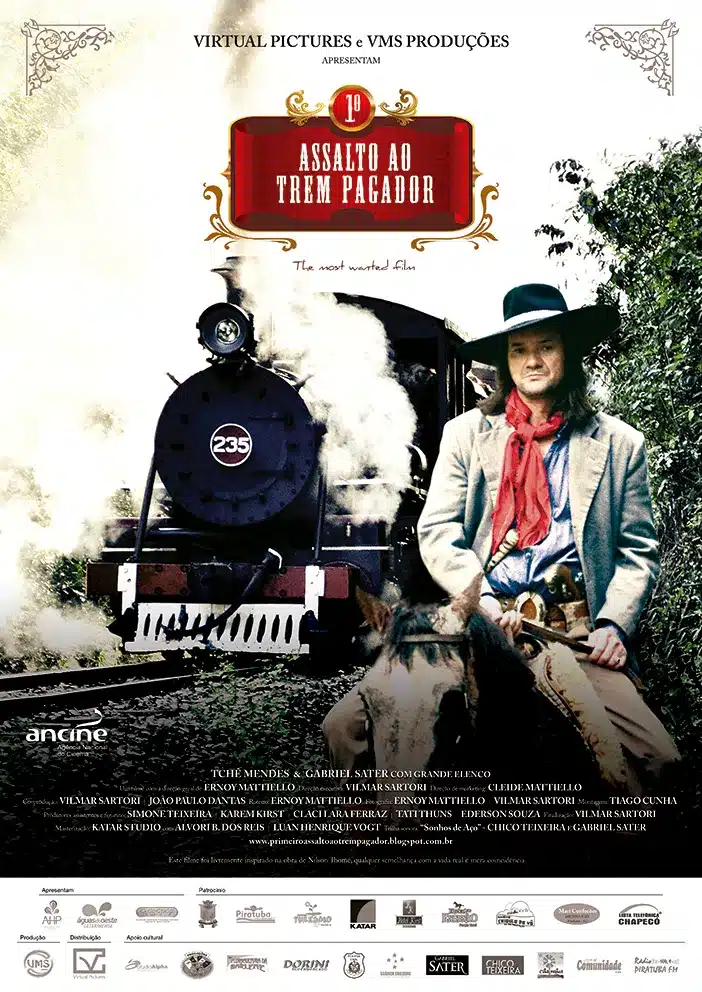
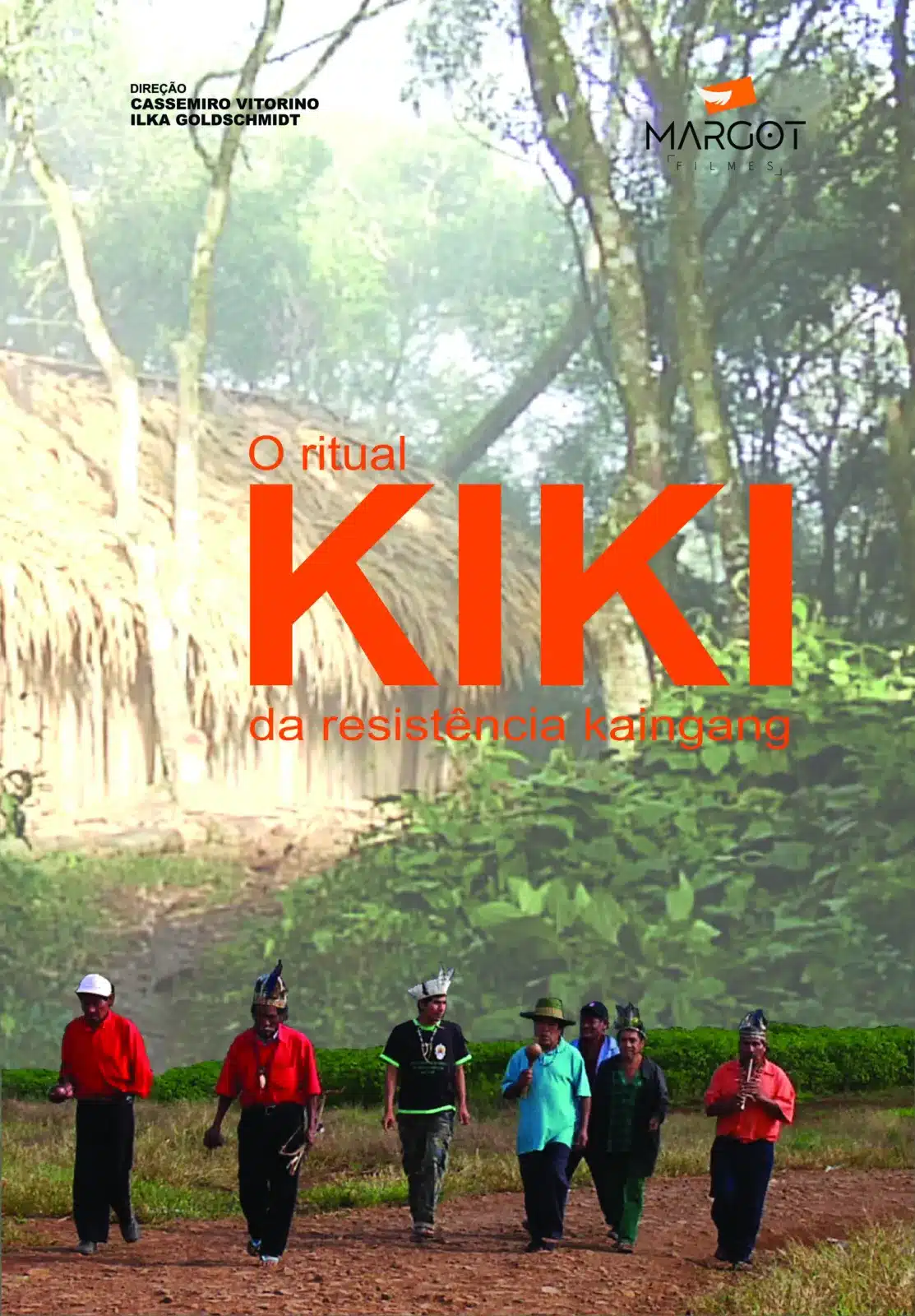
From the production of the short stories and the completion of the theoretical study on the Contestado conflict, the creation of short films is proposed. The idea is to select among the stories produced and, from them, develop a filmmaking experience through their adaptation, transforming them into scripts and later into audiovisual pieces to be shown through social media.
Initially, in the project developed before the Covid-19 pandemic, in 2019, there was no defined methodology (PEIXER, 2021). However, between 2021 and 2022, the students were able to experiment with technical cinematographic elements in order to make the experience immersive and memorable. It is a learning process that uses imagination, historical experience and the enhancement of learning, in which students apply their learning in a context where they can pluralize knowledge via social media. Although Paulo Freire did not live to see the birth of social media and its respective impact, he points to the importance of an education beyond the transfer of knowledge — one that aims to be elaborated in all its reasons for being, “ontological, political, ethical, epistemological, pedagogical, but that also needs to be constantly witnessed, lived” (FREIRE, 1996, p. 21).
That said, the pedagogical practice proposed here aims to articulate points of attention of the adolescents that can turn them into creators, beyond learners. And, in this way, the aim is to transform the class of students into producers of a short film. The only resources needed are a mobile phone, a video camera, costumes and editing software.
Initially the practice carried out was learned through workshops held at the Historical and Anthropological Museum in the city of Caçador (SC), which aimed at the training of cultural agents. One of the activities proposed in the course was the adaptation of texts in the découpage process (FIGURE 2). In this work, the text must be transformed into scenic processes, separated into the categories shot, movement, angle and observation (to insert extra elements). To adapt this process to Elementary School, use was made of the work Narrativa cinematográfica contando histórias com imagens em movimento, as 100 convenções mais importantes do mundo que todo cineasta precisa conhecer, by Jennifer Van Sijll (2019), and of the blog O Livro, where elements were found for developing teaching materials to work on notions of shots, movements and camera angles.
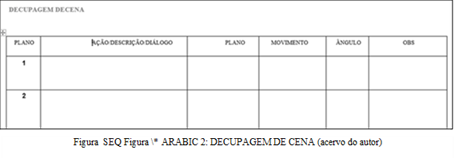
Initially the students, together with the History teacher, must select the short story to be adapted; this then becomes the object to be worked on in producing the short film. It is separated into scenes by the teacher, like a script, and later distributed in the classroom among several groups. Therefore, if the text has five scenes, there will be five groups, and so on. Each group is responsible for the découpage of the scenes. During this process, the functions each student will perform in the production are also divided: costumes, set design, filming, photography, main cast and supporting cast. Thus, the whole class is employed in the process, and the qualitative result is assessed collectively, therefore generating a single grade for the entire class.
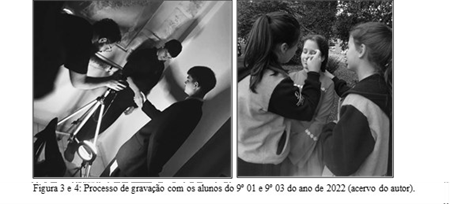
After the scene découpage is done, the tasks are assigned and the students become responsible for costumes, makeup, scene elements, recording locations and also for the creative improvisations generated during the process. It falls to the subject teacher to direct and carry out the final editing of the elements after they are recorded. During the recording process, students take on an organizational stance, presenting themselves as direct participants in the whole process, aiming at a final result. Students with
different academic performances come to stand out in various functions, establishing a collectivity during the final process. Between the theoretical work and the practical assessment process, the projects vary between 3 and 6 months in duration. It is worth noting that, due to the longevity and prominence of the shorts on social media since 2019, in May 2022 the students who were part of the shorts production project had the opportunity for differentiated learning, such as the photography and podcast workshops with the members of the Image and Sound Laboratory (LIS) of the Santa Catarina State University (UDESC). Such workshops were coordinated by professor Rogério Rosa Rodrigues, resulting in the virtual exhibition Limiar: Narrar o Presente e Relembrar o Passado31, through the ArtSteps network. Rodrigues (2022) narrated this experience in the journal Public History Weekly, pointing to the activity as a way of establishing new relationships with historical knowledge and new ways of narrating the past, as well as enabling an exchange of affections, both for the academics who taught the workshops and for the students who were preparing for the development of projects at school. This experience derives from the activities of the Rede Contestado (Contestado Network), which was popularized in 2022, led by the Federal Institute of Santa Catarina (IFSC), Caçador Campus (SC), which aim to bring together activities about the Contestado conflict carried out in various regions where it occurred.
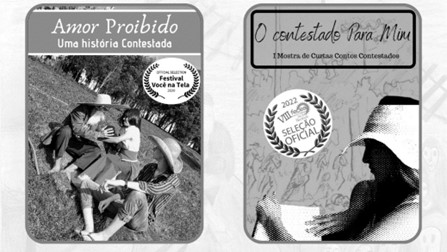
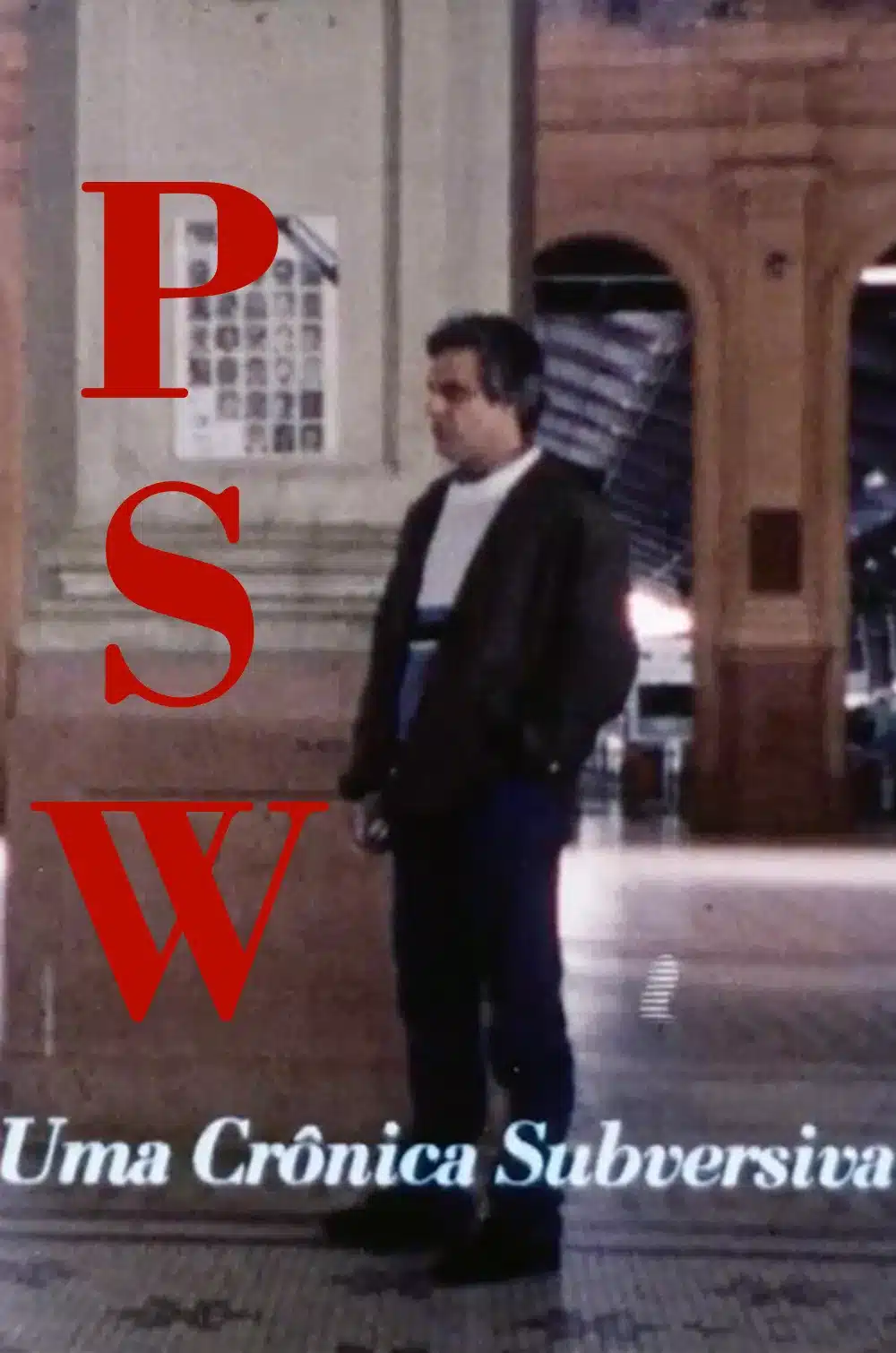
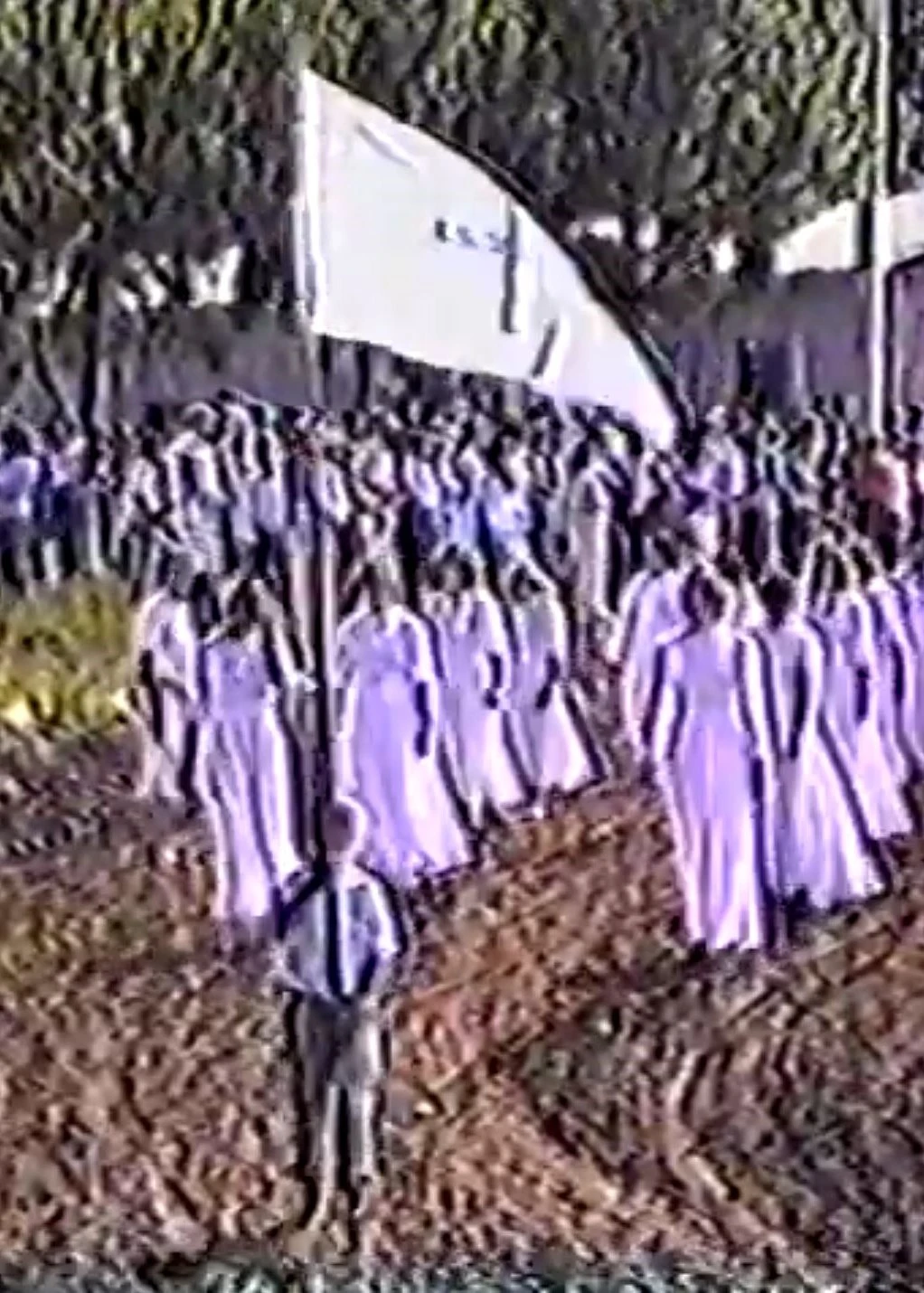
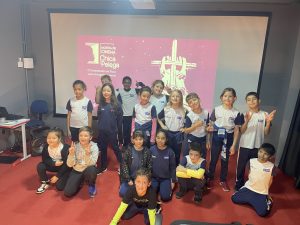
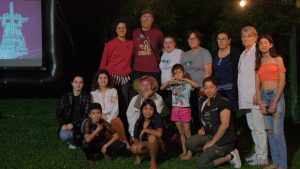
After production, the short films are launched at the classes’ graduation as a preview and in the official launch format at the Curtas Contestado festival, initially held in the school building, but which in 2021 coincided with the launch of the book “Cordel Contestado,” produced by 8th-grade Elementary School students who narrated, in cordel verse, the story of the Battle of Rio das Antas. (PEIXER, FERREIRA AND ANDRADE, 2021). Students experience various practices, occupy various spaces and share their work via social media, this being analytical material capable of understanding the students’ learning process; it has a didactic character and can be incorporated into the classroom in various ways when approaching the Contestado conflict.
CONSIDERAÇÕES FINAIS
The need to develop innovative pedagogical practices, and to pluralize the caboclo history of the Contestado movement, is a two-way street in the development of the teaching-learning of the practices presented here. It is worth stressing that this is not the consolidation of a static project, along with a single, unchanging practice, but rather a continuous learning process, which must be constantly improved in order to repair mistakes and perfect the pedagogical practices.
The capacity and potential that the audiovisual holds in teaching, both in its production and in the debate generated by its result, can and should be fostered through public projects and initiatives. In parallel, teachers can, on their own, develop this activity, starting a cultural movement in the schools where they work. Exercises like this highlight the role of students as protagonists, generators of knowledge, part of the community to which they belong. Learning is something continuous, and sharing this learning generates knowledge in all spheres, both for teachers and for students.
The methodology presented here is a proposal that has been experimented with and, therefore, is not finished, just as it is not presented as the only one. In this sense, mistakes and successes along the way are phases of the process, part of the educational endeavor. History, like the pedagogical process, is not something given, ready-made; it follows a path of transformation and improvement, trodden daily in the teacher-student relationship. Furthermore, understanding and stimulating the creative character of children and adolescents does not consist of eliminating traditional education, but rather transcending it, enabling teaching to take place in a critical and constructive way, with an attentive eye on events, generating in students the capacity to understand the world around them.
REFERÊNCIAS
ESPIG, M.; WITTE, G. Memória do combate de Rio das Antas: Descobrindo vestígios sobre a trincheira dos colonos. In: NASCIMENTO, E. do. (ed.) Rede Contestado de educação, ciência e tecnologia. Ponta Grossa: Editora Atena, 2020. p. 9 – 20. Available at: https://sistema.atenaeditora.com.br/index.php/admin/api/artigoPDF/41495. Accessed on Jan. 5, 2022.
FRAGA, N. C. Contestado Redes no Geográfico. Florianópolis, Editora Insular, 2017.
FREYRE, P. Pedagogia da autonomia: saberes necessários a prática educativa. São Paulo: Editora Paz e Terra, 1996.
LOPES, A. O. Aula expositiva: superando o tradicional. Técnicas de ensino: por que não, 2, p. 35-113, 1995.
MACHADO, P. P. Lideranças do Contestado: a formação e a atuação das chefias caboclas (1912 – 1916). Campinas: Editora da Unicamp, 2004.
MACHADO, P. P. O Contestado na sala de aula. Revista Cadernos do Ceom, 30, n. 46, p. 73-80, 2017.
PEIXER, A. L.; FERREIRA, A. N.; ANDRADE, L. G. de. Cordel Contestado: a Batalha do Rio das Antas. Bauru: Semeando Autores, 2021.
PEIXER, A. L. Guerra do Contestado: produção interdisciplinar de vídeos no Ensino Fundamental. In: Roquette-Pinto: a revista do vídeo estudantil. 5th ed. Pelotas: Editora Rubra Cognitiva, 2021.
RODRIGUES, R. A solidão das testemunhas: trauma, memória e história do Contestado. In: RODRIGUES, Rogério Rosa; BORGES, Viviane Trindade. História pública e história do tempo presente. São Paulo: Editora Letra e Voz, 2021.
RODRIGUES, R. Narrar o presente, recordar o passado – Public History Weekly – The Open Peer Review Journal. Available at: https://public-history-weekly.degruyter.com/10-2022-8/remembrance-brazil/. Accessed on: Nov. 14, 2022.
SCAPIN, A. Rio das Antas: uma viagem pela História. Videira: Edição Independente, 2022.
SIJLL, J.V. Narrativa cinematográfica contando histórias com imagens em movimento: as 100 convenções mais importantes do mundo do cinema que todo cineasta precisa conhecer. São Paulo: Martins Fontes, 2019.
THOMÉ, N. Os Iluminados Personagens e Manifestações Místicas e messiânicas no Contestado. Florianópolis, Editora Insular, 1999.
VALENTINI, D. Memórias da Lumber e da Guerra do Contestado. Chapecó: UFFS, 2015.
VIANNA, H. De como se constrói uma história local: aspectos da produção e da utilização no ensino de História. In: ALVEAL, Carmen Margarida de Oliveira; FAGUNDES, José Evangelista; ROCHA, Raimundo Nonato Araújo da (Eds.). Reflexões sobre história local e produção de material didático. Natal: EDUFRN 2017.