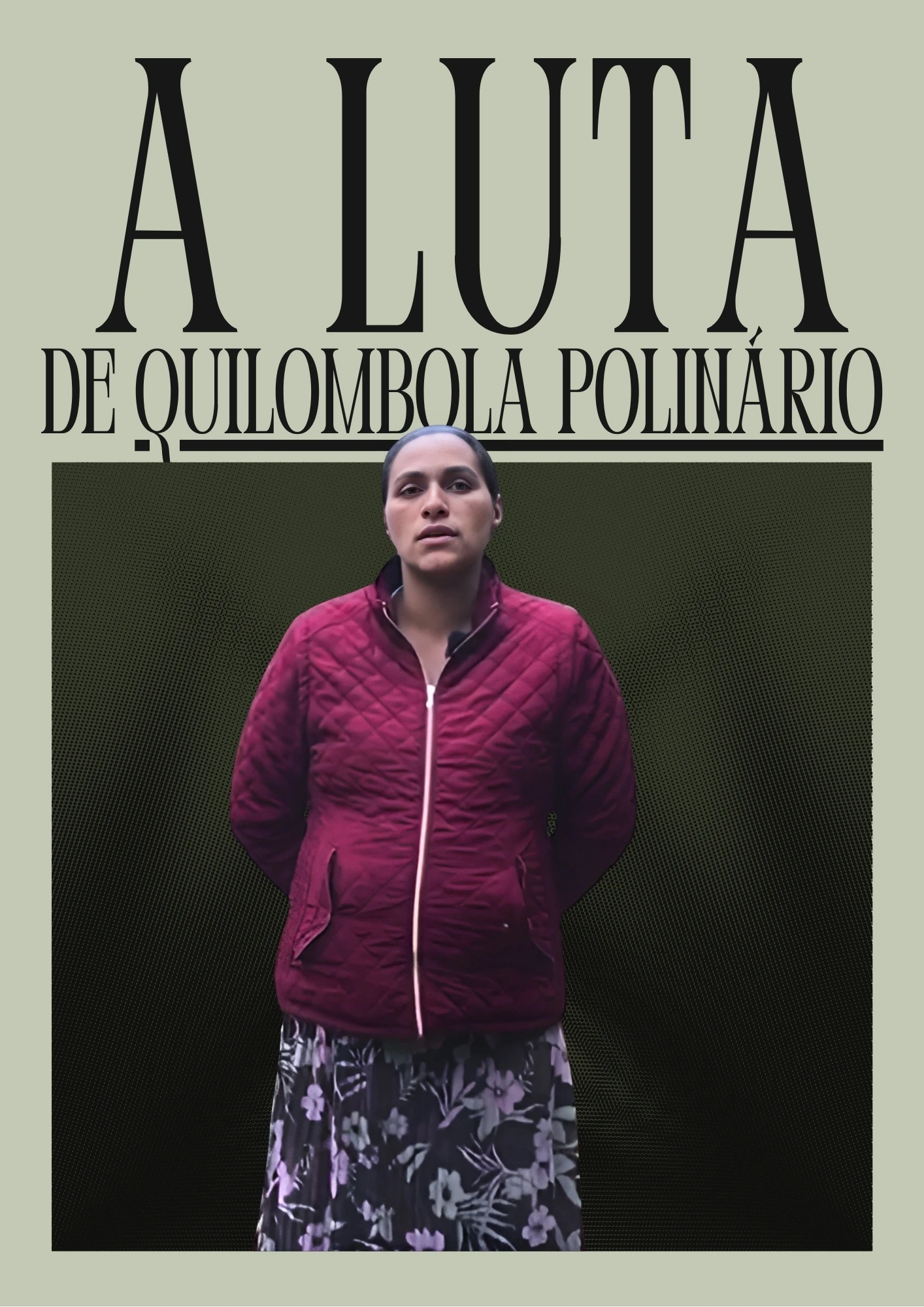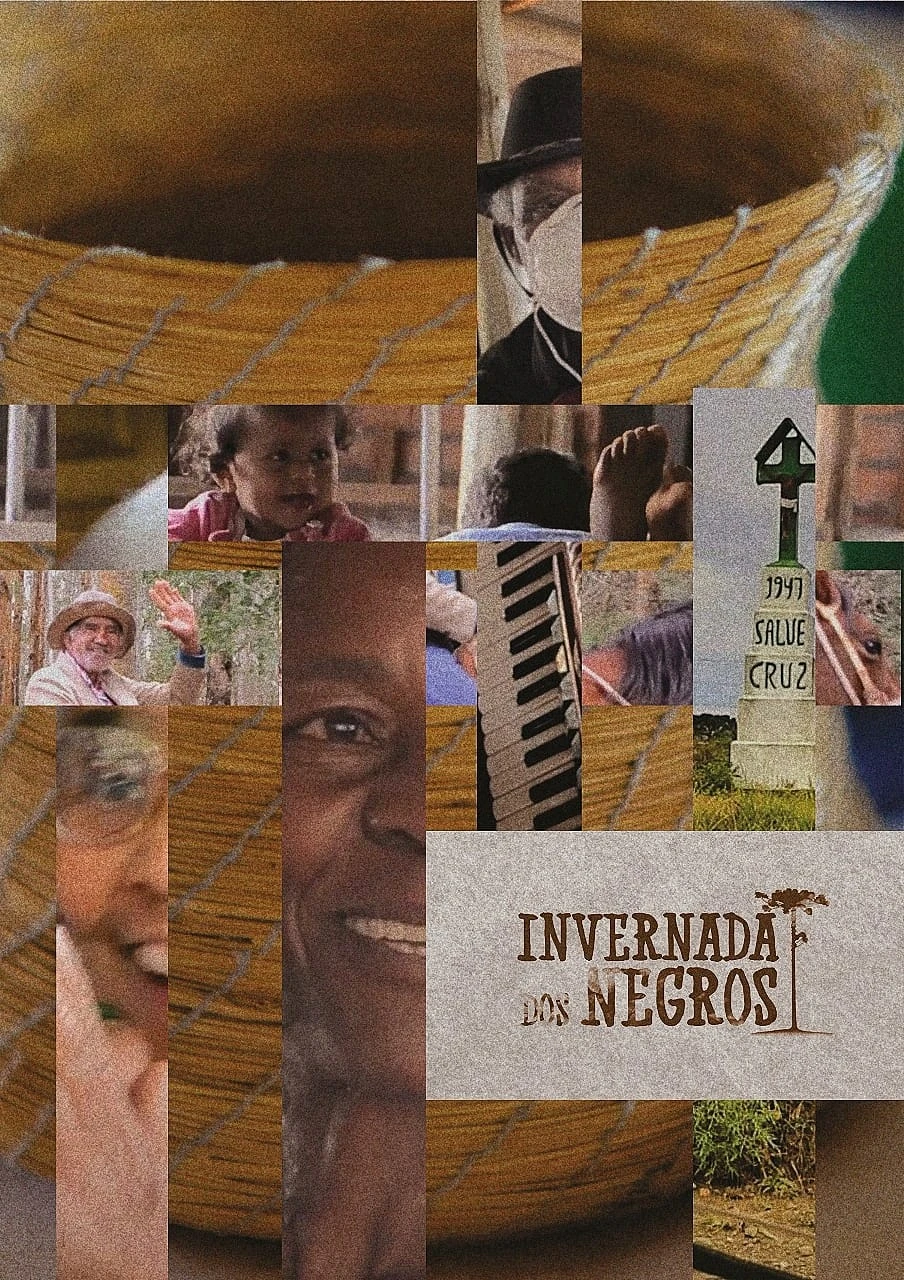


The Chica Pelega Film Festival emerges in the Santa Catarina context, in the space called the Contestado Valley. Today, more than ever, it is important to think in a contemporary way about what the remnants mean — not only of the Contestado conflict, but also of what precedes it, in the colonial history of the State of Santa Catarina.
Beyond the history of the place, it is important to think about this context and the idea of quilombola and caboclo self-identification — not as if it were concealing a Black or Indigenous identity that permeates the meio-oeste of Santa Catarina, an extremely racist region, but to think about how we can advance in these concepts and this self-identification every time we come across speech that is decontextualized from Indigenous reality and history in their various ethnicities, or from remnants of quilombola communities.
What is hidden in this codename of caboclo? What is hidden in the history? In this invisibility that reinforce and legitimize the conflicts that Black people, Indigenous peoples and other Roma peoples — supposedly not part of this context — live daily. To be in this place, we need to be identified in it and bringing our identity processes, how we constitute ourselves as original peoples and African peoples.
The Indigenous and Black identities of Santa Catarina were erased, and deliberately so, which means they were not simply made invisible — they were erased, as established by the thinking of eugenics and ethnic-cultural cleansing. To the point that when you arrive in a state other than the South region, people are astonished:
“What do you mean, there are quilombos?”
“There are Indigenous people in Santa Catarina?”
“How are Black people placed in this context?”
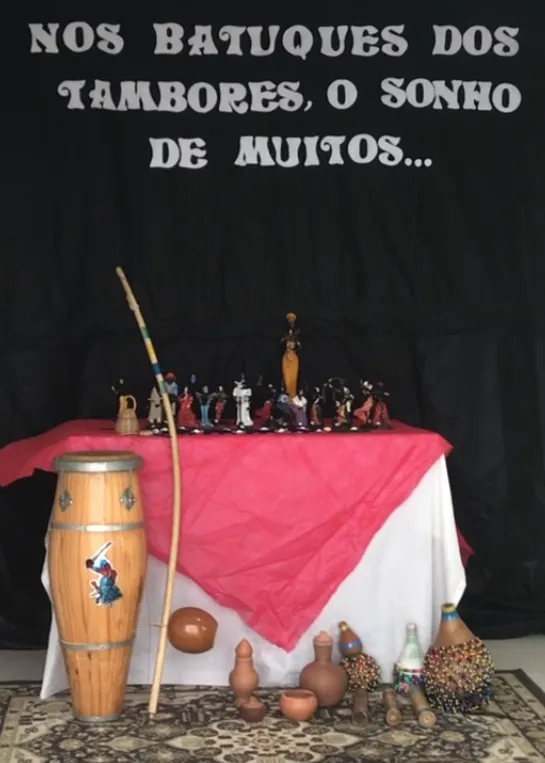
So, when we find the possibility of bringing to light and prompting reflection on this erasure, this racism, these forms of violence, these identities that are in this state, it is a possibility to advance the discussions. It is a possibility to place on the debate stage the discussions that were denied, violated — all of which we live with to this day. These scenarios are very powerful, very important, not only for the issues that mark the suffering of the peoples, but also to reclaim practices, remember elements of culture, capoeira, religious songs, the wisdom kept by elders. And this possibility appears here using cinema as a tool, as a possible language to give visibility and generate knowledge. That is why we created the Quilombola Curatorial Committee and developed a dialogue that could broaden the films about the Contestado, bringing other stories of Black figures with whom the communities identify in their historical pasts and in their present events, in their smaller community contexts and also in their larger struggles, in the similarities with other contexts of the country.
The Committee began its work in January 2023 and included members who live in different regions of Santa Catarina: Alessandro Pereira, of Fraiburgo, where the Campo dos Poli Community is located; Edson Camargo and Elizabete Aparecida de Lima (Bete Quilombola), of the Invernada dos Negros Community in Campos Novos; Rosane Fernandes Ribeiro Paes (Jane), who is between these two communities in the city of Monte Carlo; and Rafaell Marcelino, a young academic from the Toca Santa Cruz Community, Paulo Lopes; and I, Vanda Pinedo, representing the MNU – Unified Black Movement/SC, an organization of struggle against racism that mobilizes and builds the fight for quilombola territories with the remaining quilombola communities in Santa Catarina since 2004. There were several meetings; we watched many films in order to select 28 of them to make up the programme, one that would be coherent with our aspirations and the multiplicity of worldviews that permeate the quilombola communities.
In the attempt to understand the festival and analyze the films important for the final selection, we sought something concrete that could bring something of the reality of the quilombola struggle in Brazil, of the Contestado and of the issues of the state of Santa Catarina, with various perspectives. The struggle of the Indigenous peoples also needed to be present, for the way they organize and promote their resistance. In thinking about these differentiations in the selection — showing these differences of struggles and resistances for the territory — we organized the films through divisions into six curatorial categories.
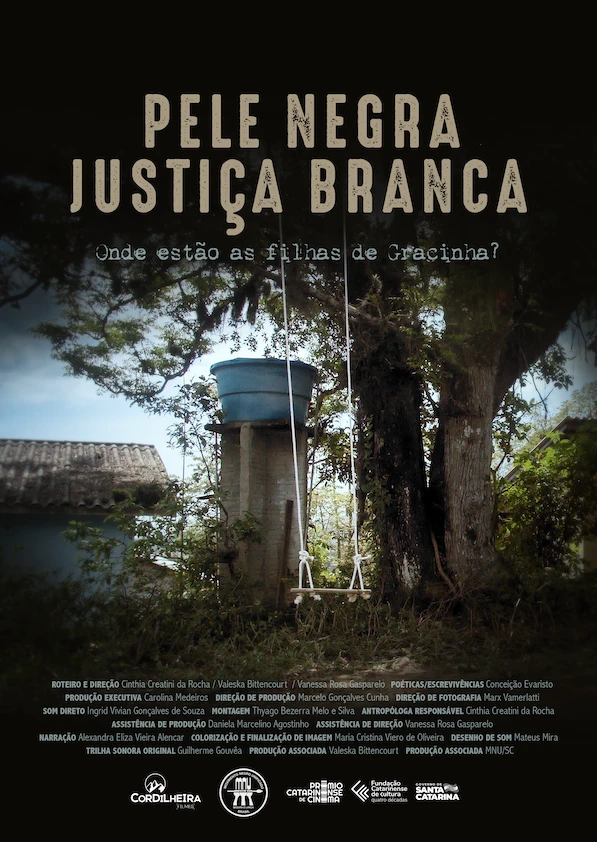
In the Resistência SC category, we present the Santa Catarina narratives of the past and the present that guide the daily resistances of the remaining quilombola populations.
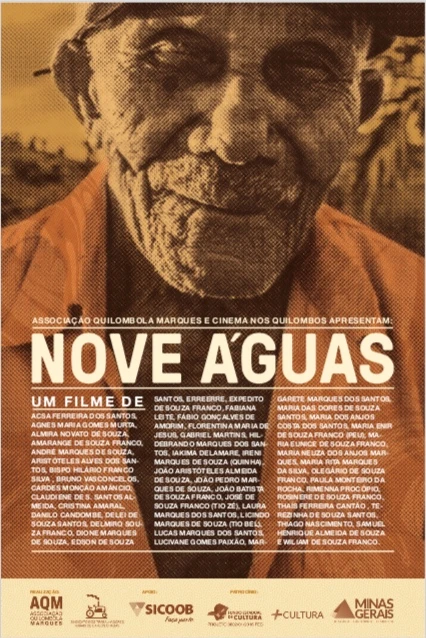
What is a quilombo? Who are the quilombolas? What are the practices and knowledge that permeate these relationships? Quilombos no plural gathers productions from different regions and brings the diverse realities of the quilombola communities spread across Brazil to answer these and other questions.
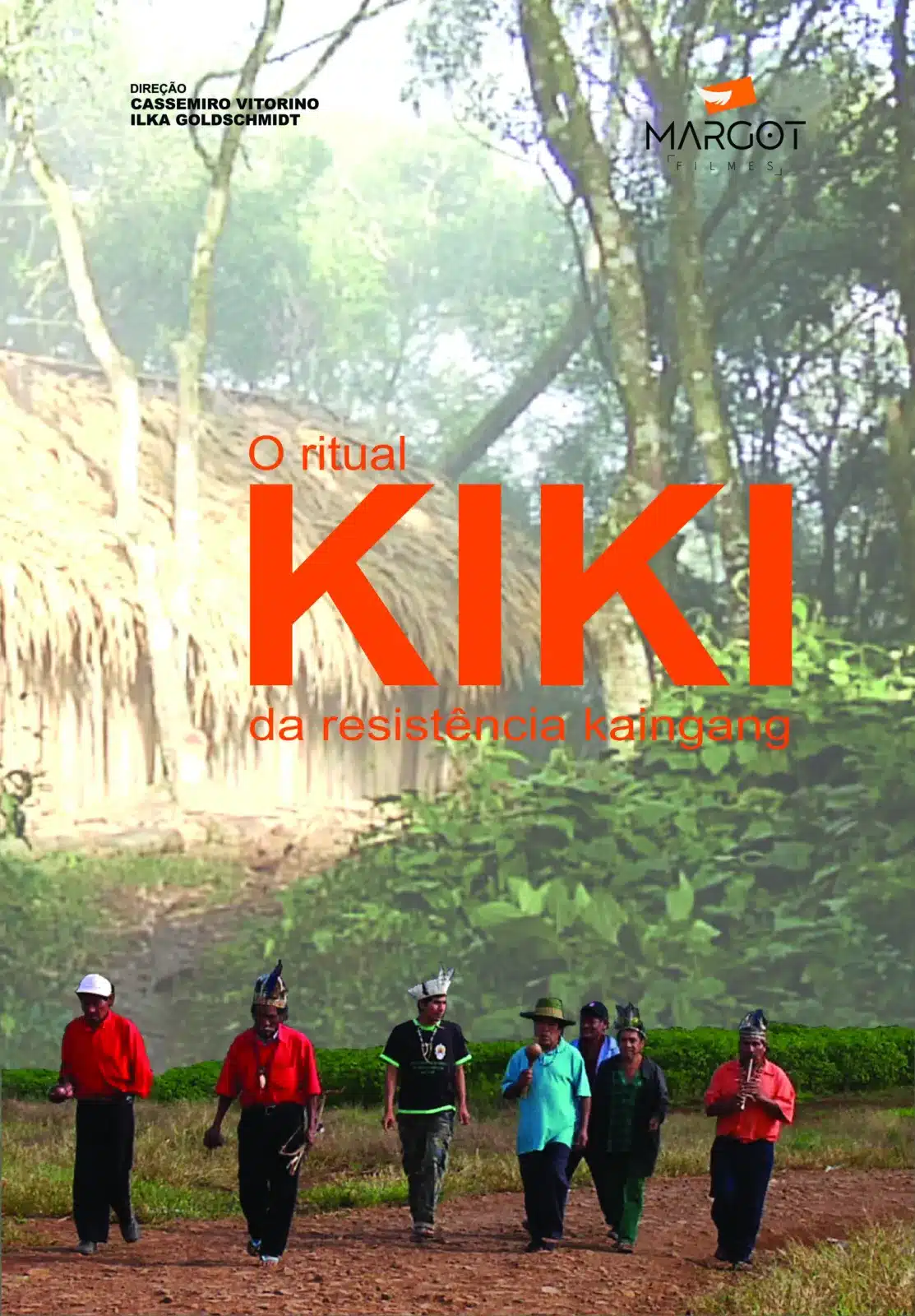
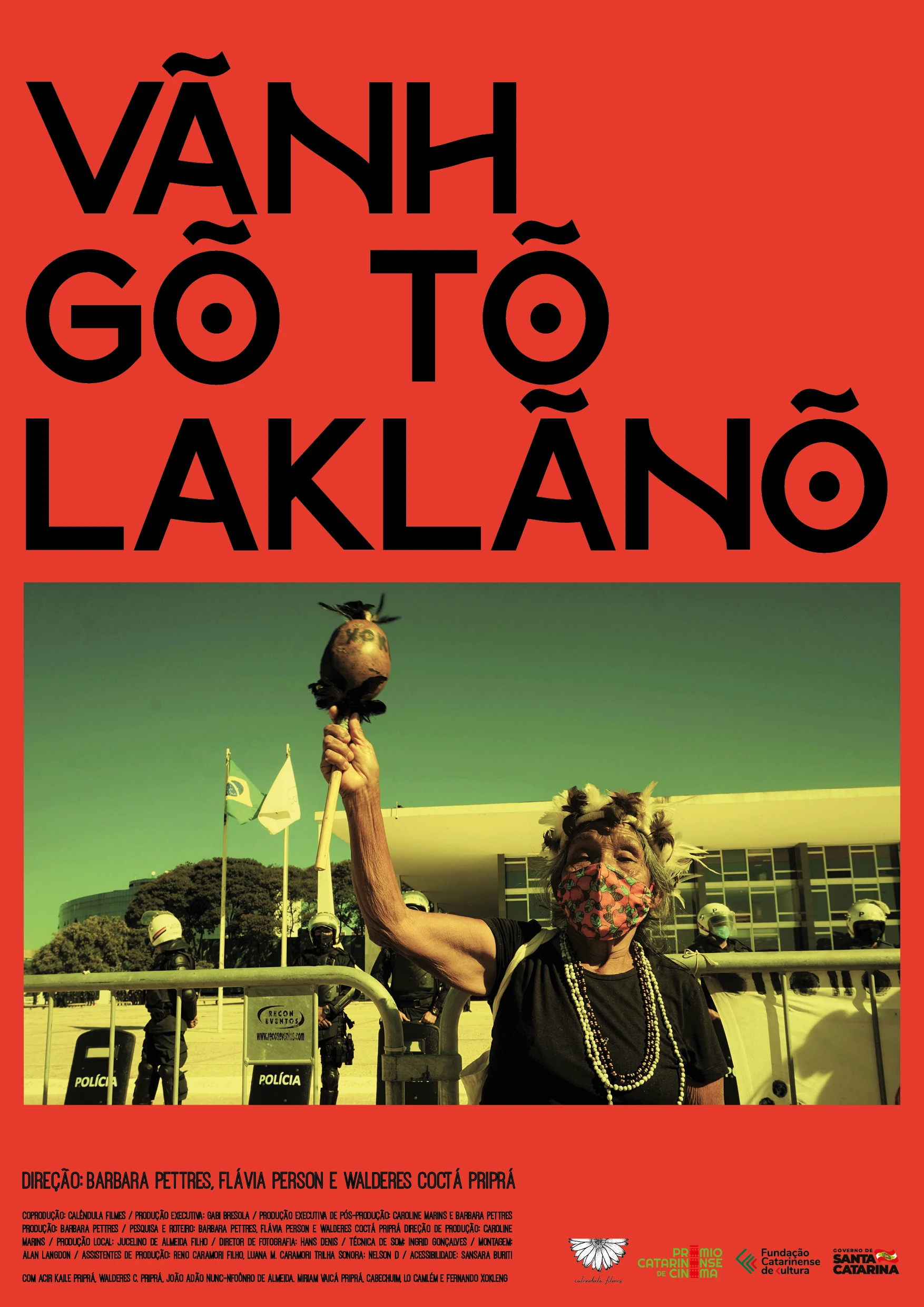
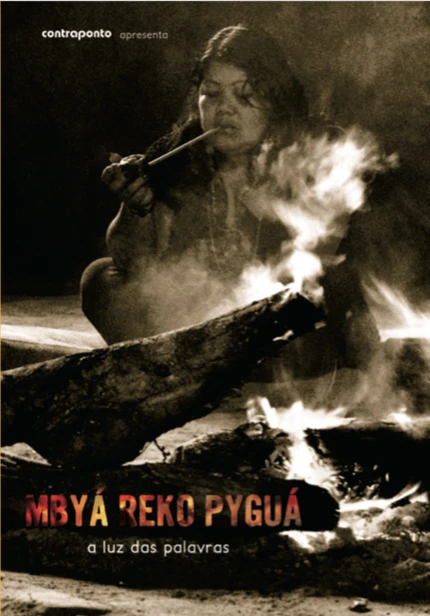
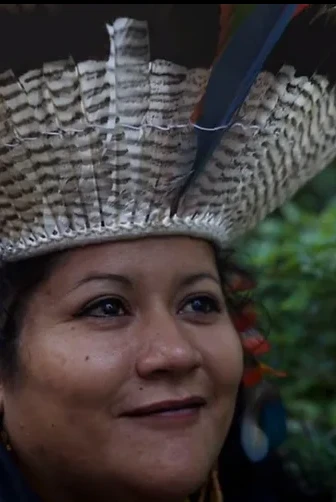
Visões do mundo ancestral gathers the symbolisms present in Indigenous living and coexistence. In the films of this category, we can understand significant elements, the existing and resisting of the original peoples.
In Memórias vivas, the proposal is to give visibility to the people and the contemporary developments of the Contestado War. When you live through a conflict, what are the memories and realities that result from it? A theme that crosses past and present.
The struggles for the good of the collectivity are conceived, cared for and nurtured like a child to be guided toward a life of prosperity and joy. The Raízes em cena axis focuses on the role of women as progenitors, protagonists and articulators of the struggle in different scenarios.
Watching this selection of films, and even the films that were not selected, was a precious experience. The content of the programme was thought out with the care to make people interested and motivated to watch, because it will have to do with their lives, whether daily life, cultural life or leisure.
The choices were also made with the commitment to take the quilombola and Indigenous community out of that place of suffering alone. The struggle is indeed arduous, but it is not only that; there is the side of gatherings, of leisure, of challenges and experiences. The struggle as a whole becomes history, is transformed into art, culture, and can at another moment serve as a perspective for other communities to follow what is happening and how other communities are participating.
The proposal to hold the festival and the circuits online came with the aim of reaching, beyond the venues that would host the in-person sessions — the Invernada dos Negros and Campo dos Poli Remaining Quilombo Communities — enabling other communities to follow the movements and works that these two communities of the meio-oeste and the Santa Catarina highlands are doing to stimulate the knowing of other points of view and perspectives of culture. With a link, we communicated with people from other states and even countries.
- Vanda Pinedo
Member of the Quilombola Curatorial Committee
MNU – Unified Black Movement of Santa Catarina - www.chicapelega.com.br/curadoria