
The 3rd Chica Pelega Film Festival — quilombola edition had wide repercussion, from western Santa Catarina to the coast, reaching the Legislative Assembly’s TV and the state’s official culture channel. More interesting than the reach, however, was the angle: from a single press release, each outlet illuminated a different facet of the edition — and it is through these choices that one sees what the festival meant in each place.
The announcement: the historical weight of the territory
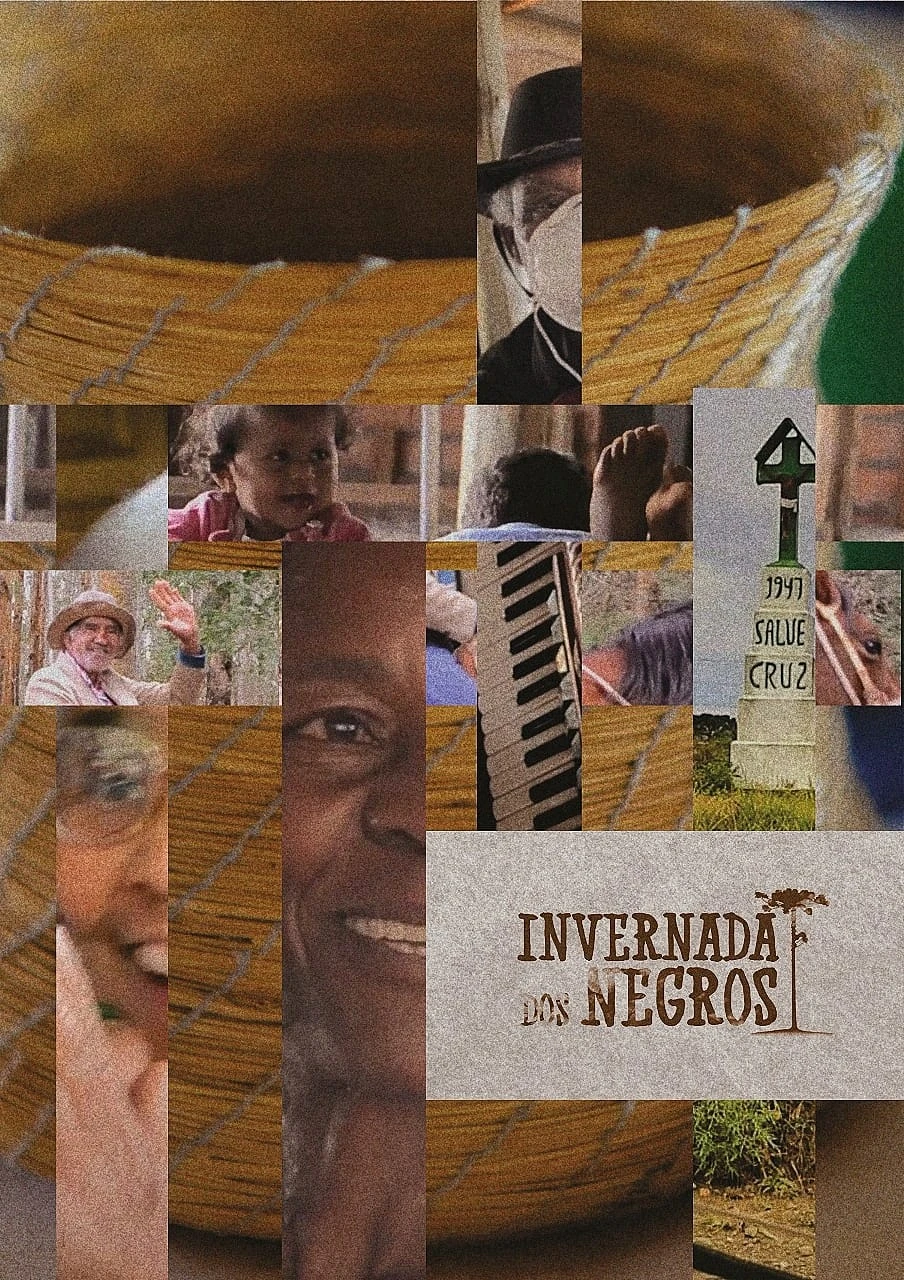
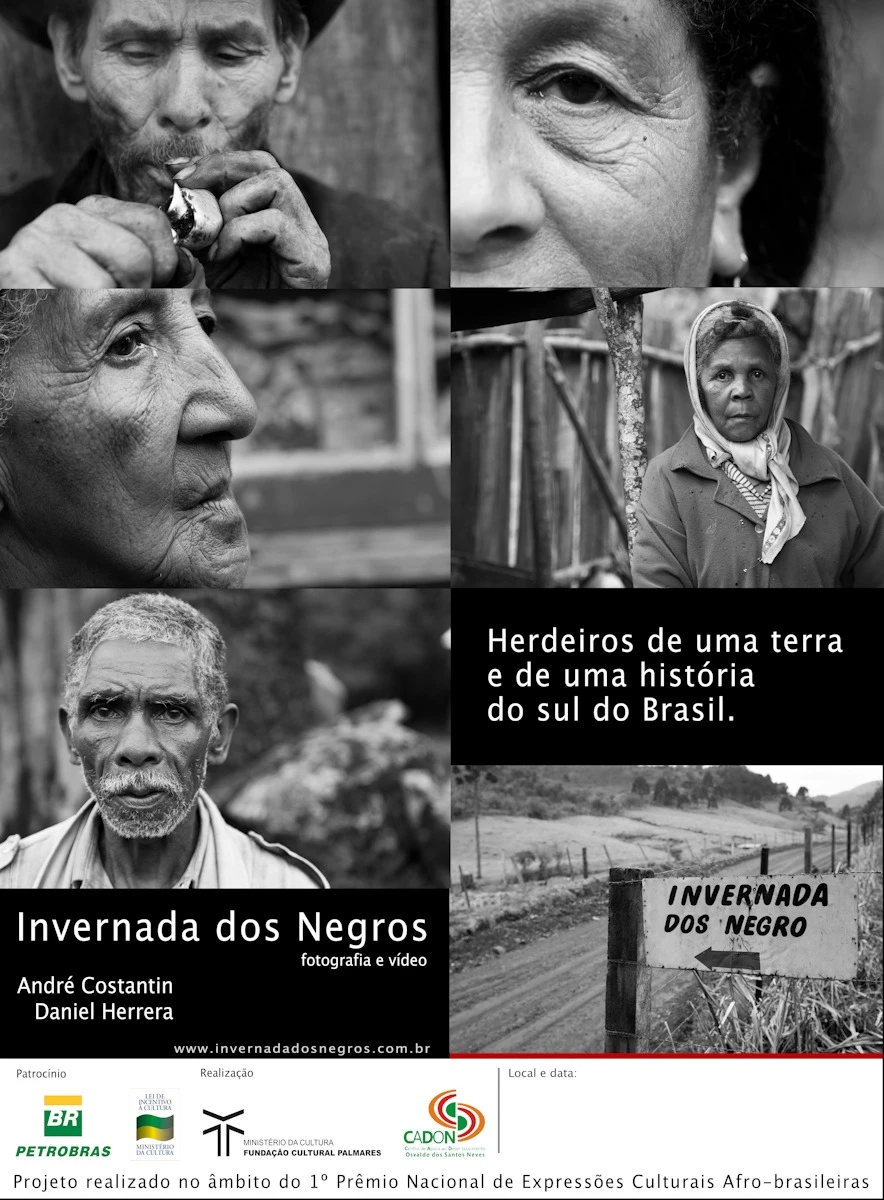
The one that went deepest into the context was the Jornal Celeiro, of Campos Novos, still in May. Instead of treating Chica Pelega as “just another film festival,” the newspaper anchored the edition in the region’s quilombola geography: it recalled that Invernada dos Negros was the “first quilombola community in the State to receive certification of recognition,” in 2004, and brought figures that don’t usually appear in a film press release — the 320 families of Invernada, the 26 of Campo dos Poli and the 21 quilombola communities of Santa Catarina, spread across Abdon Batista, Calmon, Campos Novos, Fraiburgo, Matos Costa and Monte Carlo. It was also this text that pinned down the edition’s ambition in numbers — “21 film sessions, 26 schools served and more than 2,500 viewers” — framing the festival less as an event and more as a territorial policy.
The premiere: free cinema and the opening livestream
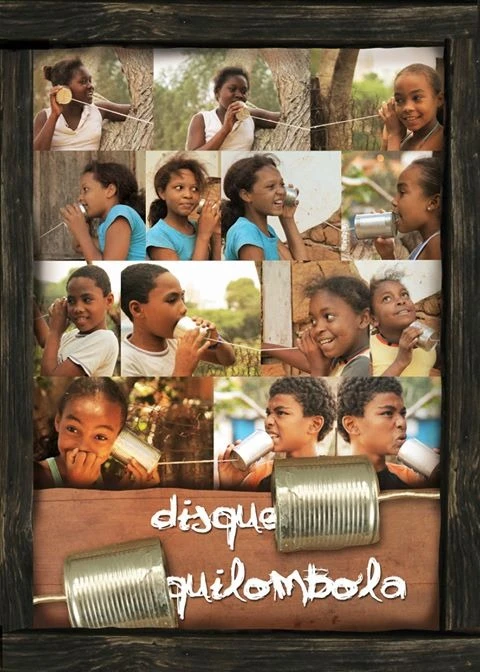
The Raízes Diário, of Joaçaba, at the end of June, turned the lens to access. What the press release brought as an agenda, the article turned into an invitation: it highlighted that “throughout the month of July, it is possible to watch all 27 films of the festival online and for free” and that the opening, “at 7:30 p.m., would feature the online screening of the short film Disque Quilombola.” The same framing appeared on the Portal da Cidade and in Éder Luiz’s column, which broadened the focus to the “municipalities of the region” that would host the in-person sessions and the workshops by Cuban filmmaker Yasser González in the communities themselves.
The return to Campos Novos: the names behind it
When the festival actually arrived, in July, the Jornal Celeiro made the opposite move to the announcement: it left the numbers and went to the people. The report named the leaders who would be in the debates — Edson Camargo, of Invernada dos Negros, and Alessandro and Cristiane, of Campo dos Poli — and reported that the in-person programme “would have its closing in the Invernada dos Negros quilombola community,” on the 14th, inside the quilombo itself. Even the description of the films gained an affectionate tone: “children from Espírito Santo talk in a fun way about what life is like in a quilombola community.” It was the same festival from the press release — but told from within.
Beyond the region: TV, radio and institutional
The coverage also went beyond the highlands. The TVAL, of the SC Legislative Assembly, took the edition to the “Rede de Inclusão” programme, and the Catarinense Culture Foundation included it in the state’s official calendar. On the radio, UNOESC FM 106.7 opened space for a chat with producer Fernanda Mingori and community leader Edson Camargo — again, the community’s voice at the center — while ASCUCCA 104.9 FM and Simpatia FM 105.5 announced the return to Campos Novos. In print, the edition appeared in the Correio da Praia (coast, no. 111), in Lu Kilombola’s “Disque quilombola” column, and in the paper edition of Raízes Diário.
From the 2004 certification of recognition to the names of Edson, Alessandro and Cristiane; from “free cinema all month long” to the packed Invernada pavilion at the closing — it was the same story, told from many angles. And perhaps that is the best portrait of what the quilombola edition was: not an event with a single message, but an entire territory recognizing itself on the screen.