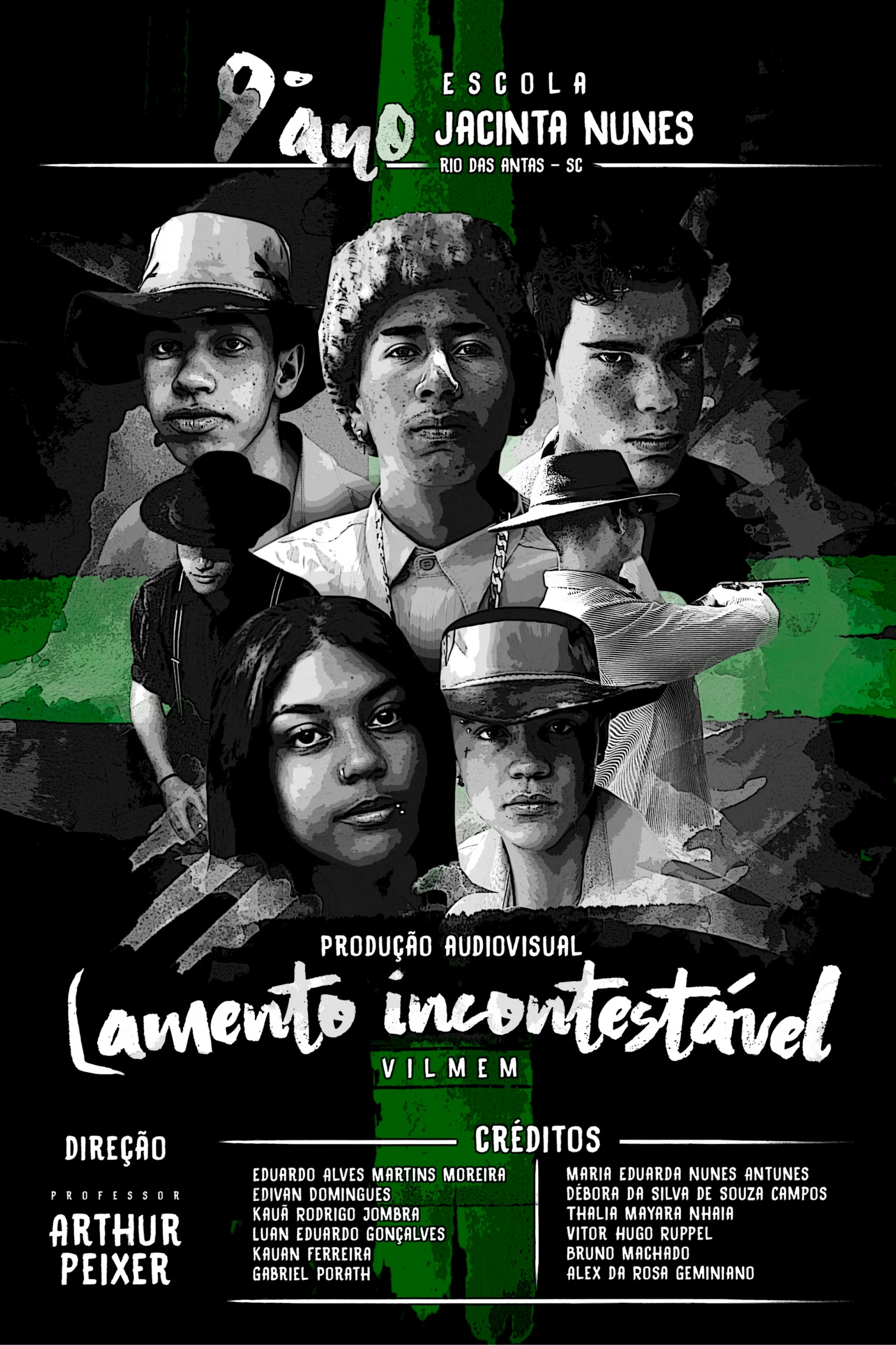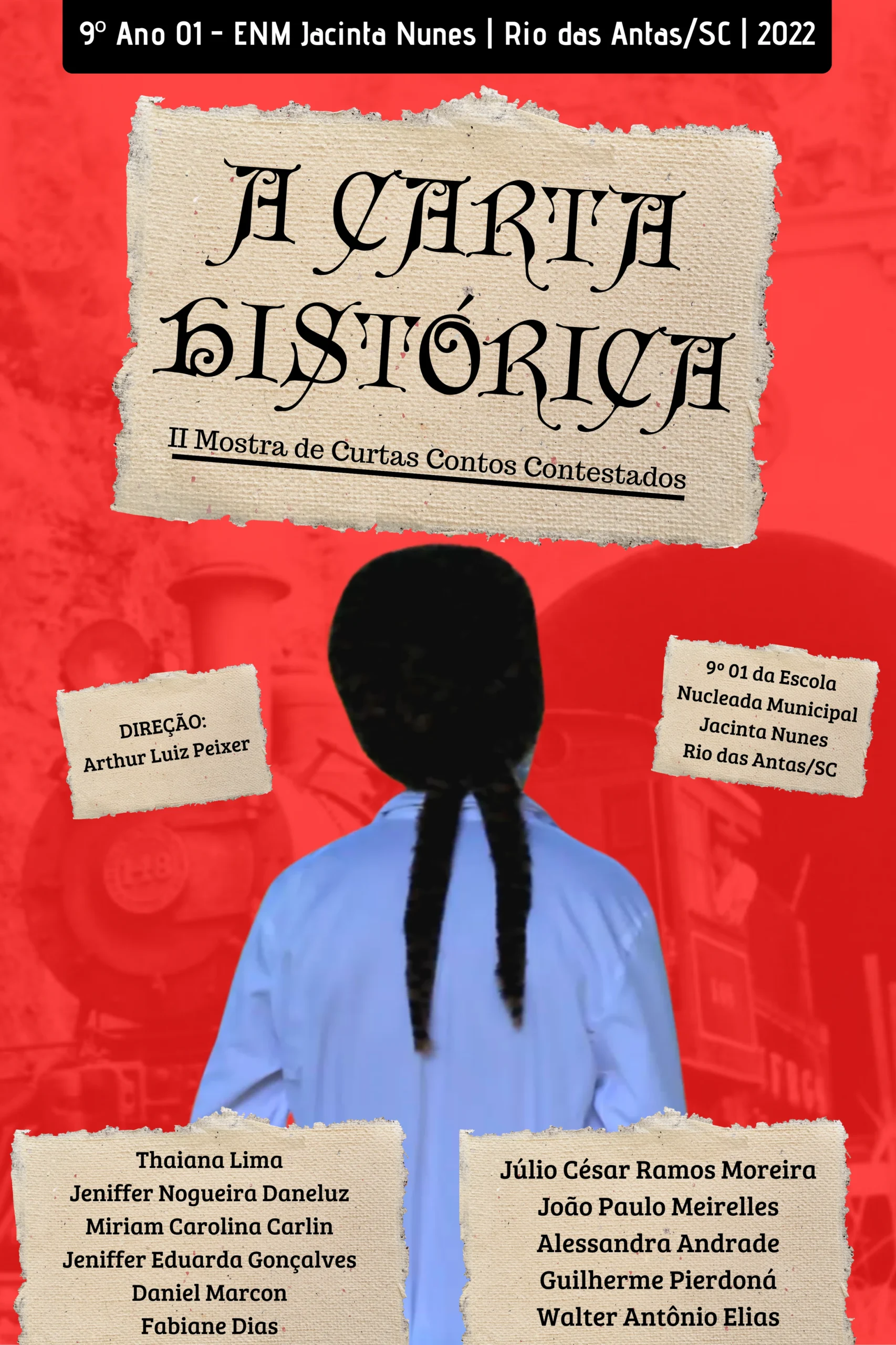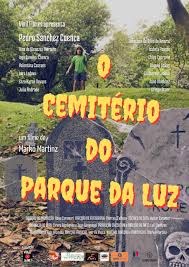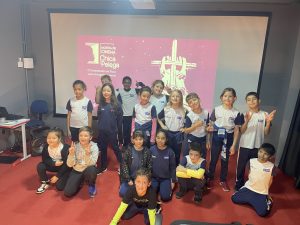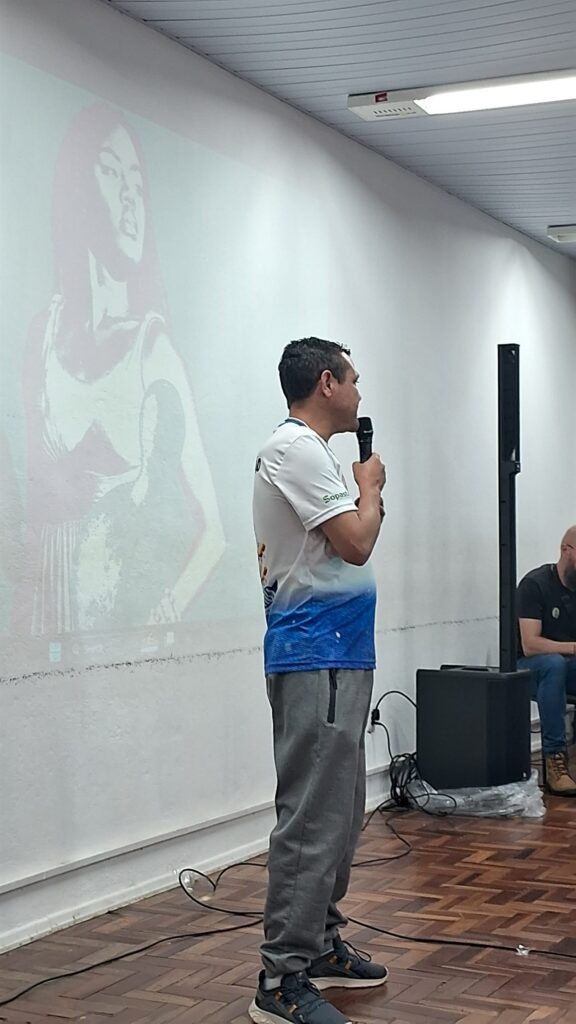

Between March 9 and 19, 2026, the 4th Chica Pelega Film Festival made Videira its capital — and filled the Euclides da Cunha Library, the CEVI, the UNOESC campus and even the city hall parking lot with students, seniors, children and spontaneous audiences. From daycares to universities, from Videira to Monte Carlo, many schools and institutions crossed the city to sit in the dark room. To each of them, our thanks — and, next to each name, the link to the session they attended, so you can discover what was screened.

Videira — the host city
CEJA — Youth and Adult Education Center of Videira. The most present institution of the festival: its students packed session after session at the Euclides da Cunha Library — from Raízes que Permanecem and Corpos em Travessia to Fronteiras Invisíveis and Notáveis do Samba. A state school in the city center, it is the school for those returning to their studies — elementary and high school in the youth-and-adult mode, one of Santa Catarina’s 40 CEJAs.
EEB Professora Adelina Régis. One of the most traditional in Videira, with almost 90 years of history and located downtown, it is dedicated to high school, in daytime and evening classes. Its audience watched, at CEVI — Vitória Events Center, the sessions Sombras do Sul and Irritante Prodígio.
EEB Inspetor Eurico Rauen. In the São Cristóvão neighborhood, the state school brings together about 580 students, from elementary to high school, and is a nursery of young scientists — it usually qualifies students for the final stages of the National Science Olympiad. It even hosted, at the school itself, the session Linha da Memória.
EEBM Prefeito Paulo Fioravante Penso. A municipal school in the Dois Pinheiros neighborhood, it serves the early and final years of elementary school and is among the best-performing in Videira in the IDEB. It brought its classes to the sessions Exploradores de Mundos and Panela Histórica.
CEMEI O Ferroviário and CEMEI Cláudio Balestrin. Chica Pelega’s youngest viewers came from Videira’s municipal early childhood education centers, which brought their children to the session Brincando de Imaginar — first cinema, first screens.
UNOESC College — Videira Campus. A community university with roots in Femarp, created in the city in 1972, UNOESC hosted on its campus the Student category session, Entre Lições e Escolhas, dedicated to cinema made in schools — and brought its university students to see it.
Pastoral da Criança and CRAS. In addition to the schools, the social protection network was on screen: children accompanied by the Pastoral da Criança went to the session Exploradores de Mundos, and the CRAS — Social Assistance brought its group to the session O rancho da goiabada, reminding us that cinema is for everyone.
Tangará
Maria Luiza Ozório Zummer Municipal Basic School. From the rural community of Passo da Felicidade, the municipal school serves about 300 students from early childhood education to elementary school. Founded in 1954 with only 62 students, it came from far away for the session O engraxate que escalou o Everest.
ENM Crescer e Aprender. The Tangará municipal school brought its students to the session Juventudes, corpo e música, at the Euclides da Cunha Library.
Rio das Antas
EEB Santos Anjos. A state school in downtown Rio das Antas, it serves the final years of elementary school and high school, day and evening. It is home to award-winning projects — it has already won 2nd place at the State Science and Technology Fair, among schools from all of Santa Catarina’s regions. It watched the session Juventude Criadora, at IFC Videira.
Rio das Antas Seniors Group. The festival had no age limit: a group of seniors from Rio das Antas came to honor the session Ora e trabalha, proving that the cinema room is also a place of memory and reunion.
Monte Carlo
EEBM Carlos Pisani. A municipal school in the Pôr do Sol neighborhood, dedicated to the final years of elementary school, it crossed the border to watch the session Território em Transformação, alongside Videira’s spontaneous audience.
And cinema in the street
The 4th Chica Pelega did not live on schools alone. In the city hall parking lot, under the open sky, sessions such as Betânia and Efapi Boul gathered the community — from the CachaSamba Futebol Clube to the neighborhood — in a square cinema, free and for everyone.
To the teachers, principals, social agents, students of all ages and the audience of Videira, Tangará, Rio das Antas and Monte Carlo: thank you for turning cinema into a classroom and the memory of the Contestado into an encounter.