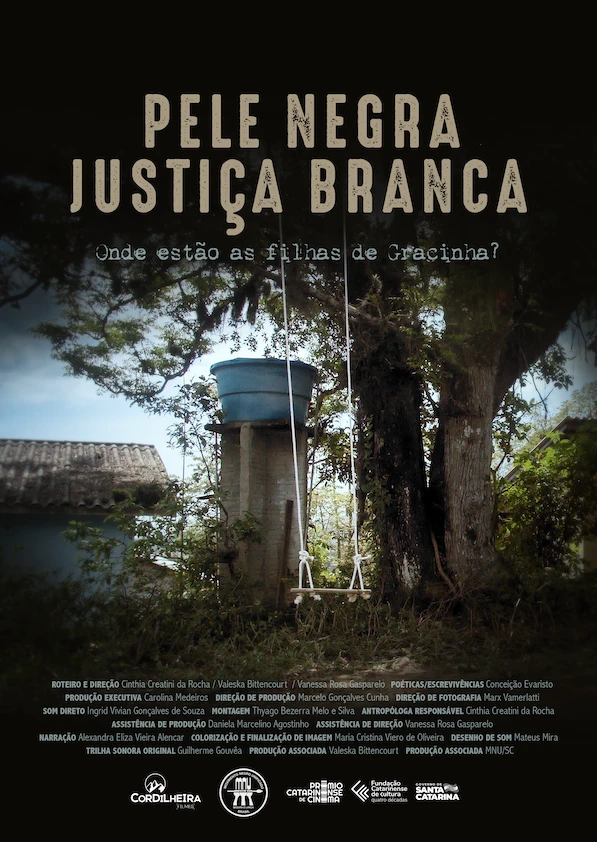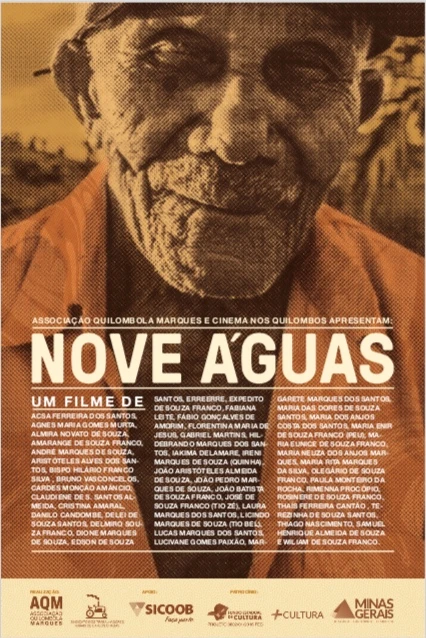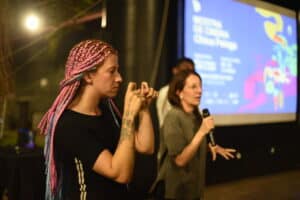


Between April 30 and May 21, 2024, applications are open for venues that want to host the Chica Pelega Cinema Circuit. The Circuit is an extension of the 3rd Chica Pelega Film Festival – quilombola edition, held in 2023, when it highlighted the culture and identity of the remaining quilombola communities of Santa Catarina and Brazil. Composed of a selection of feature and short films of fiction and documentary, the Circuit aims to promote reflection and debate on the importance of Afro-Brazilian culture and the struggle to preserve quilombola memory.
Spaces considered suitable for screening are film clubs, associations, cultural and educational institutes, schools, universities, non-profit civil organizations (NGOs) and other spaces that promote cultural activities open to the public, with a projector, sound system and broadband internet. Between May 24 and 31, the programme for each Screening Space is defined, with the sessions to take place during the month of June.
Available sessions
The films in the catalogue of the 3rd Chica Pelega Film Festival can be found on the website www.chicapelega.com.br and are divided into the following thematic axes:
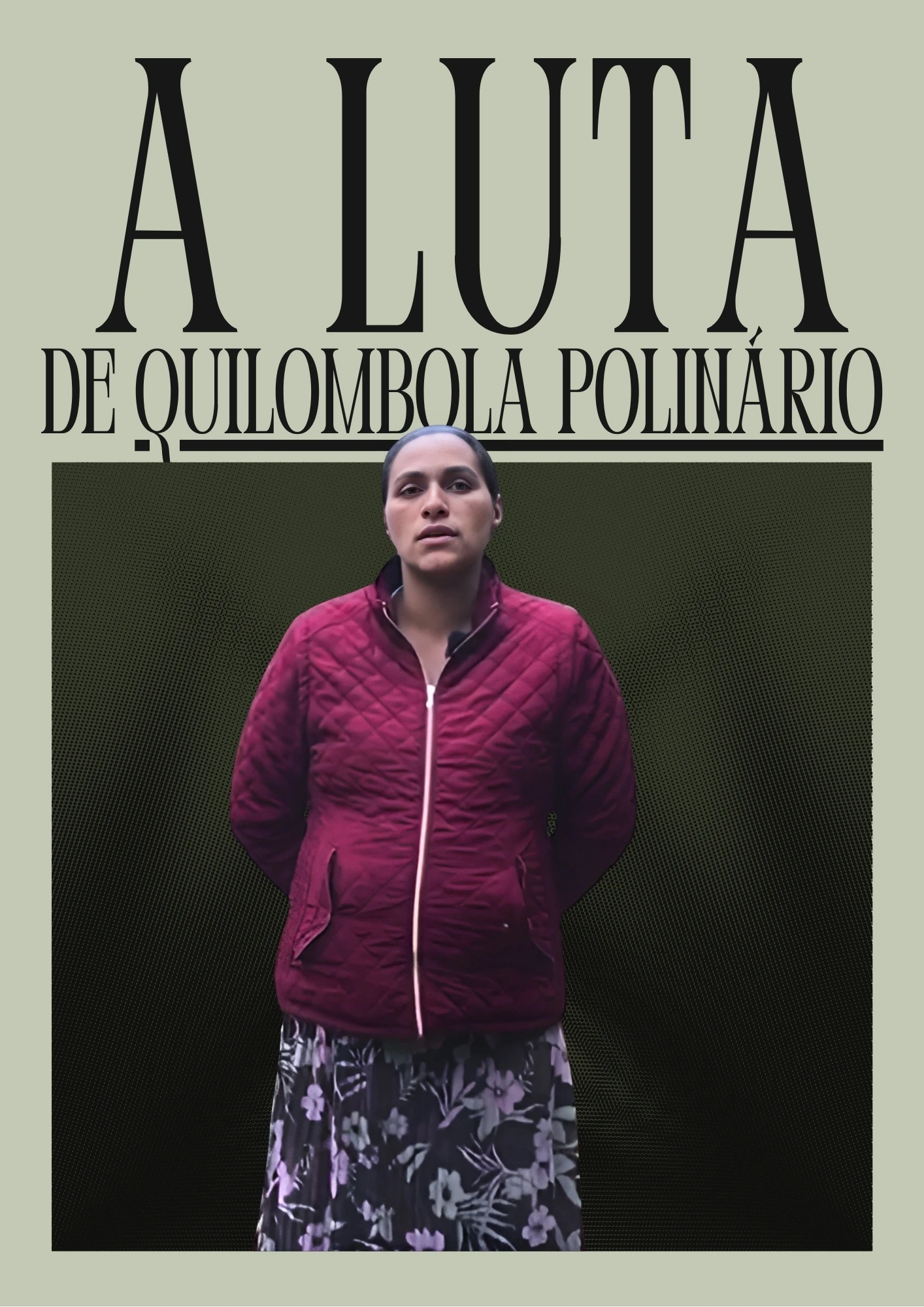
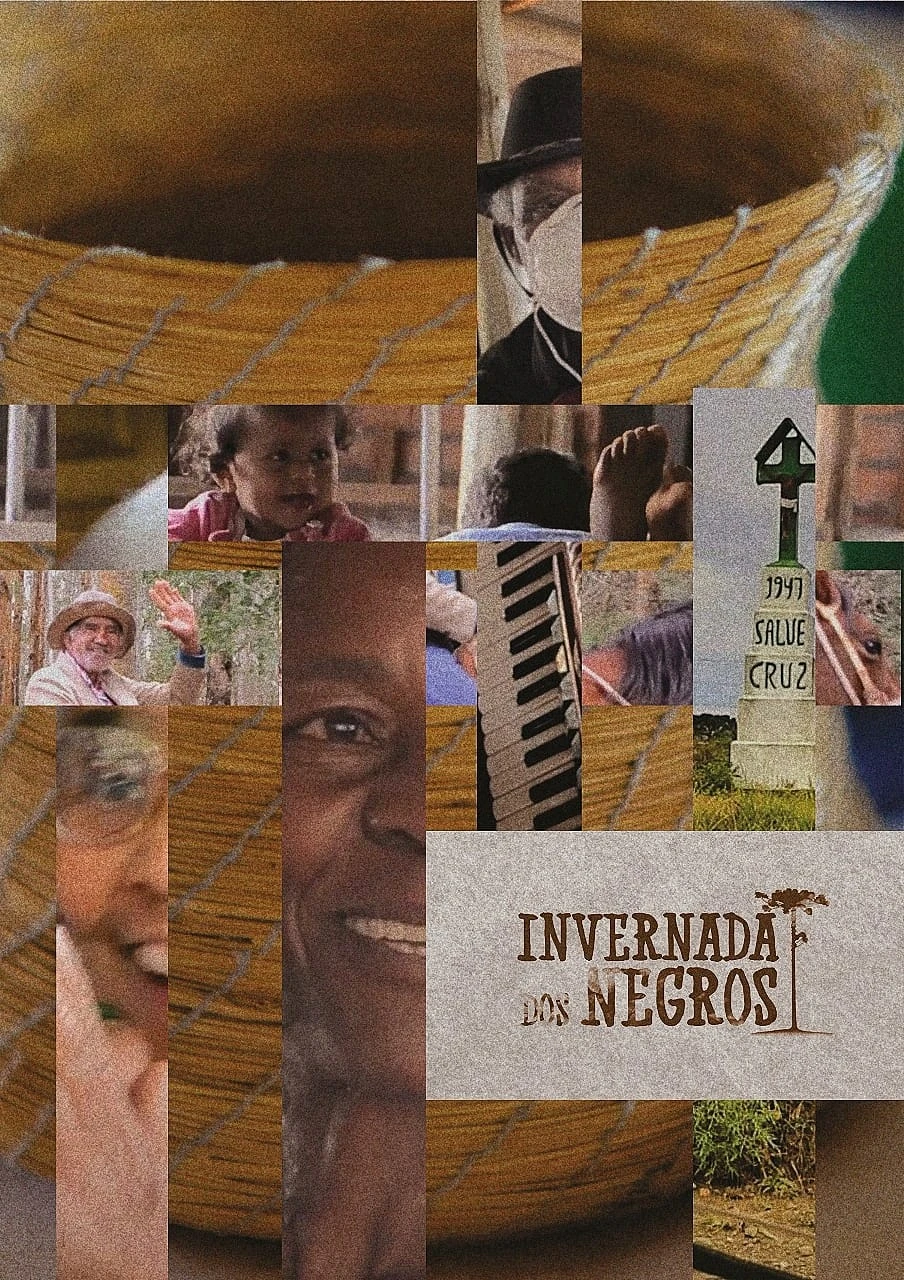
FAZER QUILOMBOLA – The category screens the three films resulting from the film workshops “O minuto que foi” mediated by filmmaker Yasser Socarrás González as a counterpart of the festival. The three narratives bring, in just a few minutes, questions from the experiences of the quilombola remnants in the West and Highlands of Santa Catarina, produced by members of the remaining quilombo communities of Invernada dos Negros and Campo dos Poli.
RESISTÊNCIA SC – In this category of films we present the Santa Catarina narratives of the past and present that guide the daily resistances of the remaining quilombola populations.
QUILOMBOS DO PLURAL – What is a quilombo? Who are the quilombolas? What are the practices and knowledge that permeate these relationships? The productions in this category, from different regions, bring the diverse realities of the quilombola communities spread across Brazil.
MEMÓRIAS VIVAS – How are a people’s histories of struggle erased? Different realities, many clues, objects and people who lived through and can reclaim a reality through their memories. This category gives visibility to people and contemporary developments of the Contestado War.
RAÍZES EM CENA – The struggles for the good of the collectivity are conceived, cared for and nurtured like a child to be guided toward a life of prosperity and joy. This category focuses on the role of women as progenitors, protagonists and articulators of the struggle in different scenarios.
Applications and Contact
To apply, visit the website https://chicapelega.com.br/pontos-de-exibicao or, in case of questions, get in touch by email: producao@chicapelega.com.br Join us and show the transformative power of cinema! Make a difference in your community by promoting access to culture and cinema for a diverse audience, and promote the appreciation of Afro-Brazilian culture and the quilombola struggle.
Chica Pelega Film Festival
The Chica Pelega Film Festival emerges in the Santa Catarina context, in the space called the Contestado Valley. Today, more than ever, it is important to think in a contemporary way about what the remnants mean — not only of the Contestado conflict, but also of what precedes it, in the colonial history of the State of Santa Catarina.
Beyond the history of the place, it is important to think about this context and the idea of quilombola and caboclo self-identification — not as if it were somewhat concealing a Black or Indigenous identity that permeates the meio-oeste of Santa Catarina, an extremely racist region, but to think about how we can advance this concept and this self-identification every time we come across the speech of Indigenous people in contexts that bring ethnicity, and the speech of remnants of quilombola communities.
What is hidden in this codename of caboclo? What is hidden in the history? Which is where we, at times, look at the materials that present and speak about the state of the conflict, and in which Black people, Indigenous peoples and other Roma peoples are not part of this context. To be in this place, we need to be identified in it and bringing our identity process also of original peoples and African peoples.
The Indigenous and Black identities of Santa Catarina were erased, and deliberately so, which means they were not simply made invisible — they were truly erased, as established by the thinking of eugenics and ethnic-cultural cleansing. To the point that when you arrive in a state other than the South region, people are astonished: “What do you mean, there are quilombos?” “There are Indigenous people in Santa Catarina?” “How are Black people placed in this context?”
So, when we find the possibility of bringing to light and prompting reflection on this erasure, this racism, these forms of violence, these identities that are in this state, it is a possibility to advance the discussions. It is a possibility to place on the debate stage the discussions that were denied, violated — all of which we live with to this day. These scenarios are very powerful, very important, not only for the issues that mark the suffering of the peoples, but also to reclaim practices, remember elements of culture, capoeira, religious songs, the wisdom kept by elders. And this possibility appears here using cinema as a tool, as a possible language to give visibility and generate knowledge.
That is why we created the Quilombola Curatorial Committee and developed a dialogue that could broaden the films about the Contestado, already screened in the first two editions of the Chica Pelega Festival, bringing other stories of Black figures with whom the communities identify in their historical pasts and in their present events, in their smaller community contexts and also in their larger struggles, in the similarities with other contexts of the country.
Quilombola Communities
The quilombos emerged during Brazilian colonization as a response to the violence practiced by the Portuguese and, later, by their descendants, against the Black people who were brought by force to Brazil from Africa. The first records of this type of formation date from the 1570s. In addition to the immediate escape from oppression, the emergence of the quilombos was also an affront to the slave system in force. This organization of Black people helped, even if slowly, to make the slave system unviable. The communities provided support for rebellions, fires in plantations and the rescue of captives, factors that helped in the pursuit of abolition.
A symbol of Black resistance during the period of slavery, contemporary quilombos suffer from the legacy of inequalities left by the colonial period. This is due to the lack of access to land and to basic public policies such as health and education. By returning the areas of land access, Incra seeks to establish a procedure of justice and recovery of the traditions of the families who now return to their lands.
According to IBGE data (2022), there are 494 quilombola territories spread across Brazil. Only the states of Acre and Roraima had no quilombolas identified. In Santa Catarina, there are 4,447 quilombolas living in 28 of the state’s 295 municipalities.