

The Museum Spring is an annual event awaited by culture, history and heritage professionals, and in 2023 this celebration gains even more meaning with the theme Memories and Democracy: LGBT+, Indigenous and Quilombola People. Promoted by the Brazilian Institute of Museums (IBRAM), this 17th edition will take place between September 18 and 24, bringing to light an important dialogue on social inclusion and diversity.
The encounter between memories and the histories of the LGBT+, Indigenous and quilombola communities becomes the center of democratic debate at this important event. Museums, memory institutions, spaces and cultural centers from all over Brazil are invited to join this journey of reflection and celebration. It is a space that offers an opportunity to share narratives, value traditions and enrich the understanding of Brazil’s rich diversity.
The 2023 programme will be diverse and engaging. Exhibitions, lectures, interactive workshops and artistic performances are some of the available activities. It is a moment of dialogue, awareness and growth. Participation is accessible to all interested institutions, which can register from July 31 through the event’s official website.
The Chica Pelega Film Festival at the 2023 Museum Spring
The Chica Pelega Film Festival can play an important role in contributing to the Museum Spring, especially considering the event’s 2023 theme, which highlights the trajectories of LGBT+, Indigenous and quilombola people. Here are some ways in which the film festival can enrich and complement the Museum Spring programme:
- Broadening the Narratives:
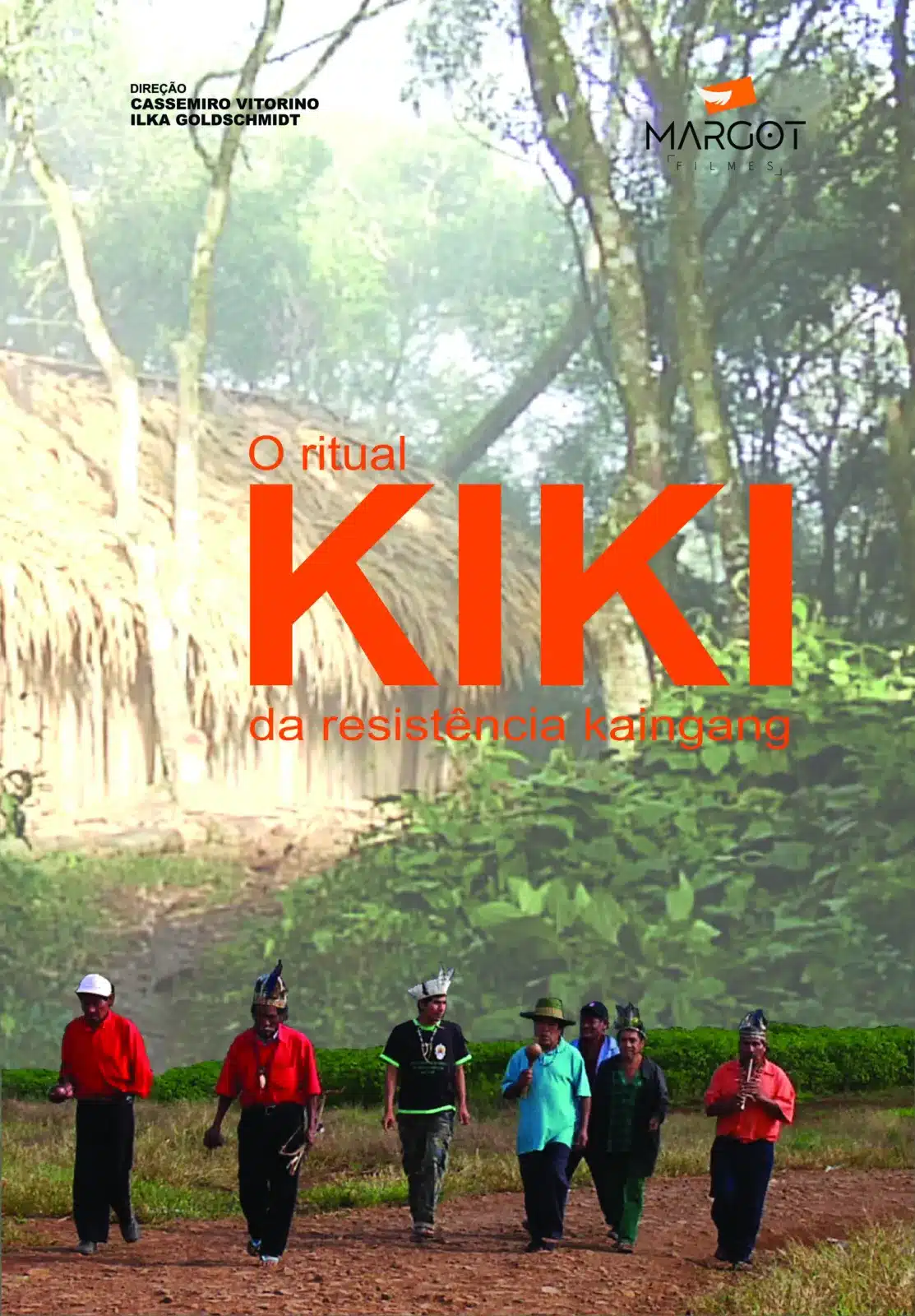
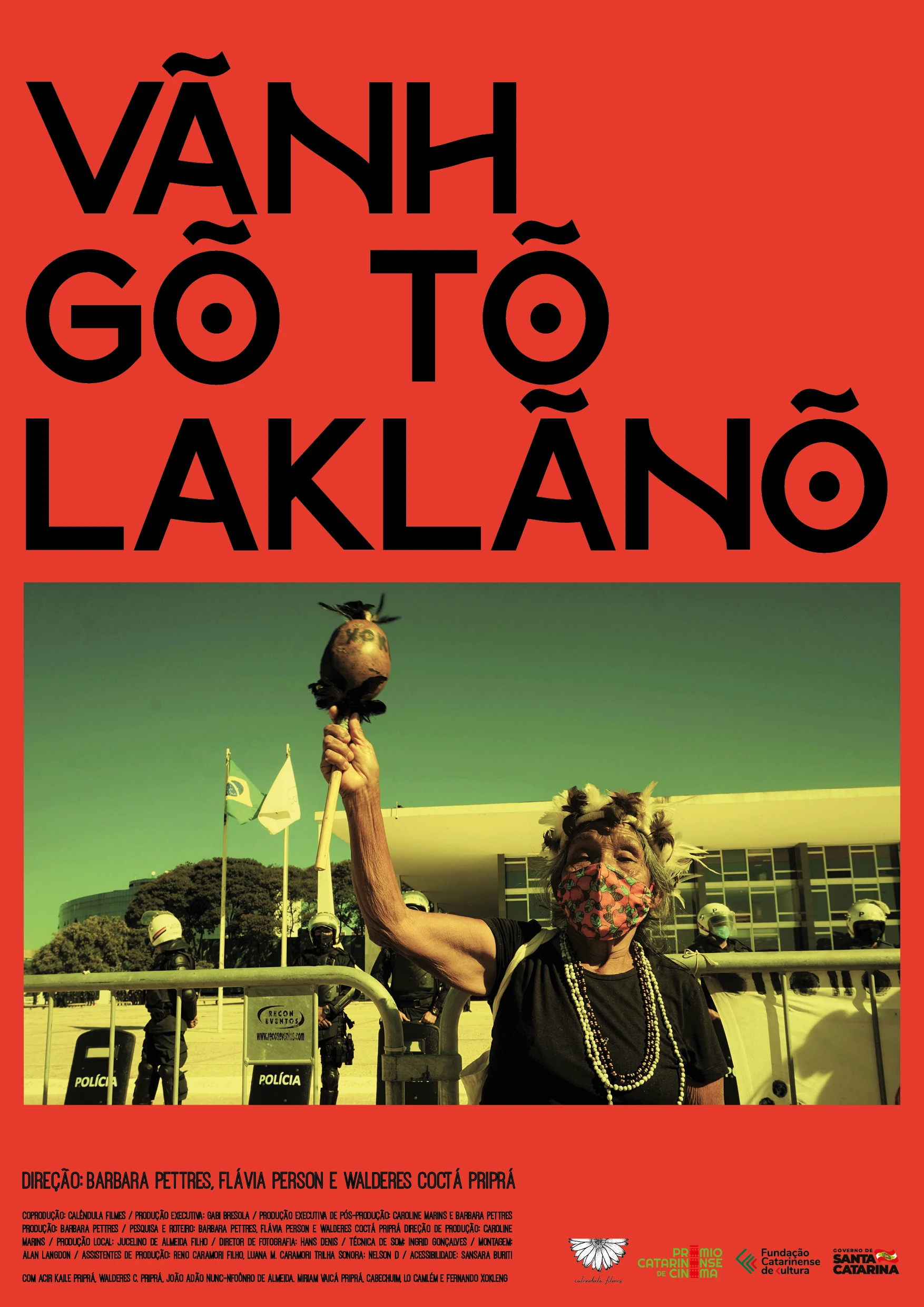
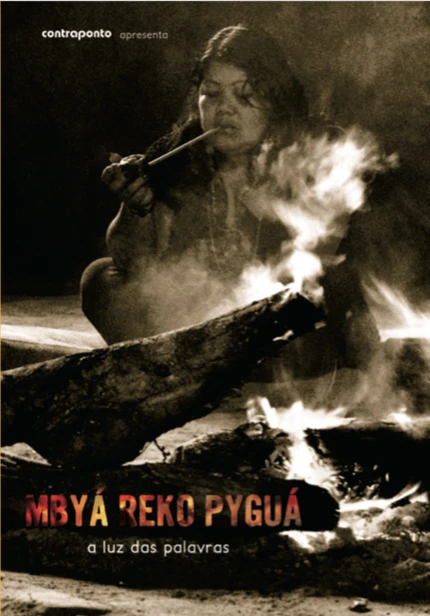
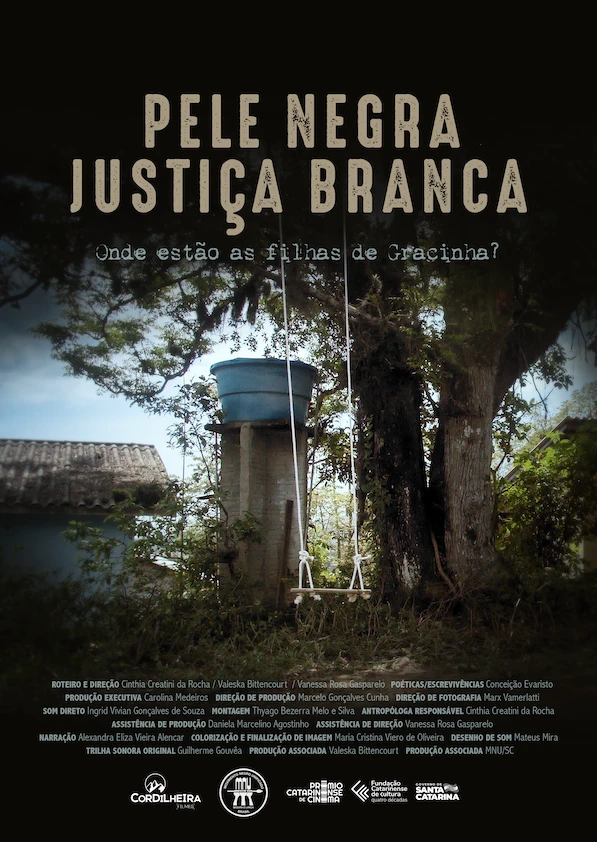
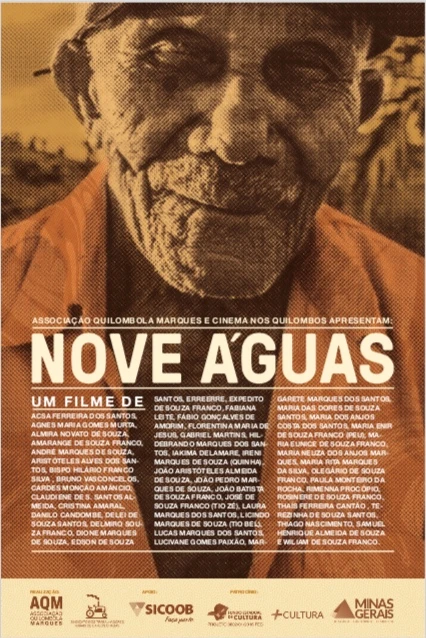
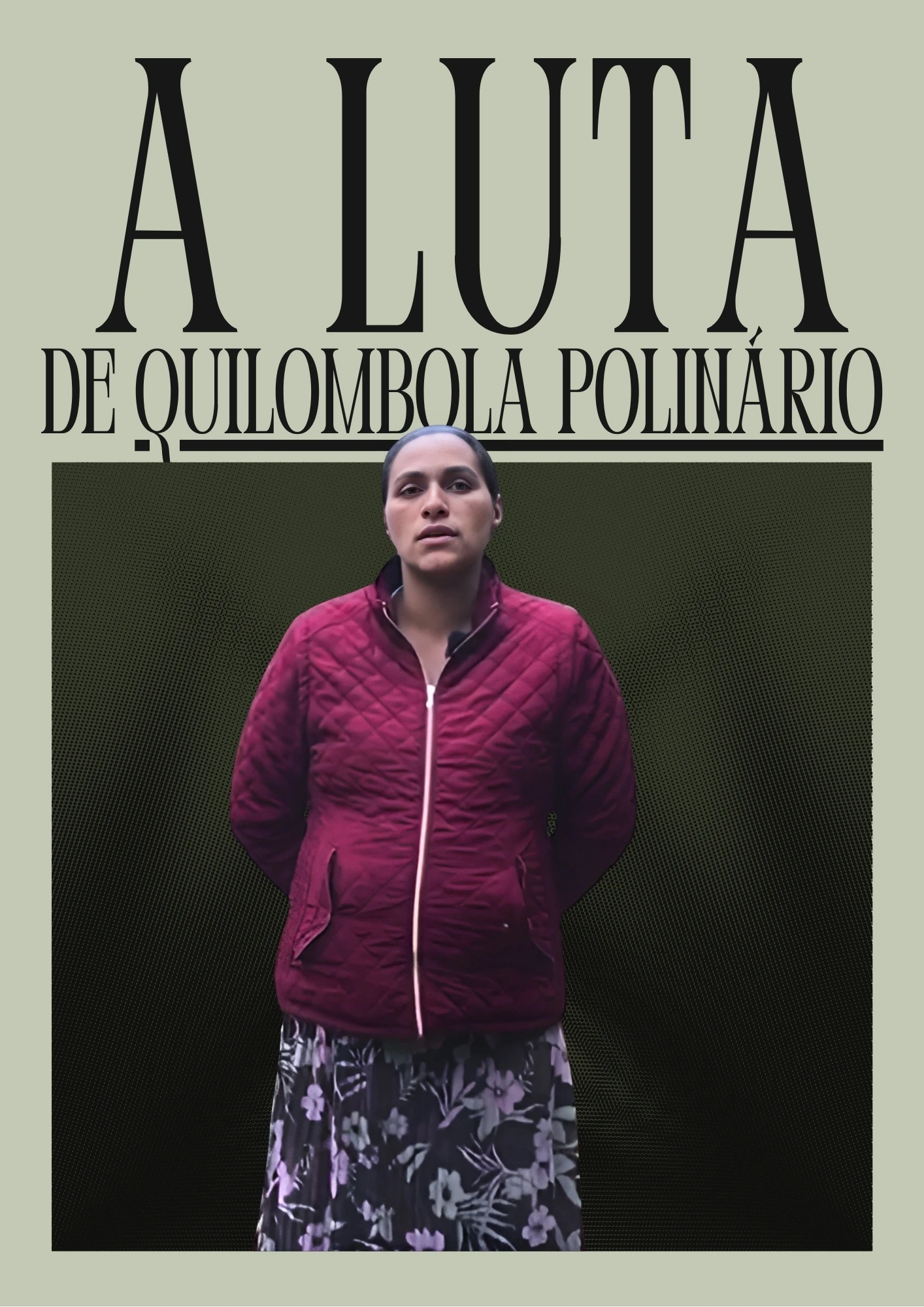
It presents films that explore stories, experiences and challenges faced by the LGBT+, Indigenous and quilombola communities. The films highlight the importance of cultural diversity and social inclusion, adding a visual and emotional dimension to the discussions and exhibitions in the museums. There are 28 films made available, between shorts and features, many of them regional productions of recognized quality and generally unknown to the general public. - Visibility and Representation:
By screening films that portray characters and stories of these communities, the film festival can offer a platform for visibility and representation. This helps validate the experiences and identities of people in these groups, reinforcing the sense of belonging and empowerment. The festival seeks to invite Indigenous, quilombola and LGBT+ people to be part of everything from the curatorial processes to participation in debates, mediations and other formative events throughout the event, which allows for greater cohesion between the proposal and the populations actively involved in its implementation. - Dialogue and Reflection:
After the films are screened, the festival promotes discussion sessions and panels that engage the audience in meaningful conversations about the themes addressed in the films. This creates an opportunity for open and educational dialogue about cultural diversity and the importance of memory and democracy for these communities. Cinema, in this way, returns to the social core as a trigger for debate and transformation, denaturalizing behaviors and fostering the participants’ critical awareness. - Historical and Contemporary Connections:
The festival can include films that explore both the historical past and the current realities of the LGBT+, Indigenous and quilombola communities. This helps establish connections between the stories and challenges faced over time, emphasizing the importance of preserving memories for the consolidation of a democratic and inclusive society. An event that brings to life historical, geographical and philosophical information, casting new perspectives on facts, events and current everyday situations, with language appropriate for full understanding. - Collaborations with Museums:
The film festival can collaborate directly with museums, offering special film sessions in the museums’ own facilities, helping to create an immersive and enriching environment where the films are complemented by exhibitions, educational activities and discussions. - Engagement and Awareness:
Films have the power to move, provoke empathy and generate awareness about important social issues. The film festival awakens greater interest in LGBT+, Indigenous and quilombola issues, encouraging the audience to engage more deeply in the discussions and actions proposed by the Museum Spring.
By integrating the Chica Pelega Film Festival into the Museum Spring programme, it is possible to create a comprehensive and enriching experience that addresses the central theme of memory, democracy and cultural diversity in a multidimensional way. Talk to us and bring the festival to your city’s museum programme.