
The 4th Chica Pelega Film Festival — the largest in the project’s history — closed its 2026 edition with a live-streamed awards ceremony. Awarded by the Catarinense Cinema Award (Paulo Gustavo Law 2023, with funds from the Government of Santa Catarina through the Catarinense Culture Foundation), the edition received 2,393 submitted films and selected 117 works from 22 countries and 13 states, over 10 in-person days in Videira that gathered 1,479 viewers across 39 sessions — becoming, in number of films, the largest film festival ever held in Santa Catarina.
The prizes were distributed across six categories, each with its own jury. Check out the winners and the rationales:
Childhoods on Screen
Technical jury: Daniel Aragão and Luiza Lins.
Winner — Menina de Asas. For the jury, the film “stands out for its artistic excellence and for strengthening the sense of belonging, investigating imagination and encouraging reading” — highlighting “the potential of literature as a way for children to know the world through creativity and inventiveness.”
Honorable mentions — Restrito (Palestine), which “deals with the right to dream even amid conflict,” and Manity, which “delicately addresses the plurality of masculinities, through the sensitive confrontation between father and son.”
Young Critics
In this category, the jury was made up of the children themselves, aged 3 to 17, who chose their favorite films by sticking stickers on the posters at the end of the sessions:
- Ages 3 to 5: Medo Monstro
- Ages 6 to 10: Uma Erói
- Ages 11 to 14: Ludmilla
- Ages 15 to 17: Maputo
Contestado Showcase
Jury: filmmaker Márcia Paraíso and historian Víctor de Leonardo Figus.
Winner — Beira: além das margens do Rio Uruguai. According to the jury, the choice was based on the premise — “following an 89-year-old raftsman traveling the 2,200 km of the Uruguay River, between Brazil, Argentina and Uruguay, and how his story connects with those of various characters along the way” — and on the “very beautiful cinematography, which takes us along on this journey.”
Honorable mention — Pedaço de Chão, for “giving visibility to the struggle for land in the Contestado region and voice to four women leaders.”
Student Showcase
Jury: Priscila Pacheco and Artur Peixer.
Winner — Deixa o PPG Voar. In the rationale letter, the jury recognized “a work of profound educational, historical and social relevance,” which “does not speak about Morro do Papagaio, but from within it,” inviting us to see the territory “as a space for the production of knowledge, memory and creation.” It highlighted “the authorship of the young filmmakers, not only as technique, but as a political and poetic gesture” — “a gesture of affirmation of childhoods, dreams and the powers that insist on flying.”
Honorable mention — A Menina Hip Hop, “a project rich in culture, identity and sensitivity,” which “with rhyme and swing showed that rhyming is for boys and girls, and that rap speaks to any age.”
Catarinense Showcase
Jury: Edileusa Penha de Souza and Gabriel Borges.
Best short — A Lua dos Beijos Silentes. Awarded “for the delicacy with which it embraces the desire to imagine that other worlds can still flourish” and for the “power of dream and imagination, affirming that the freedom to create resists all forms of censorship.”
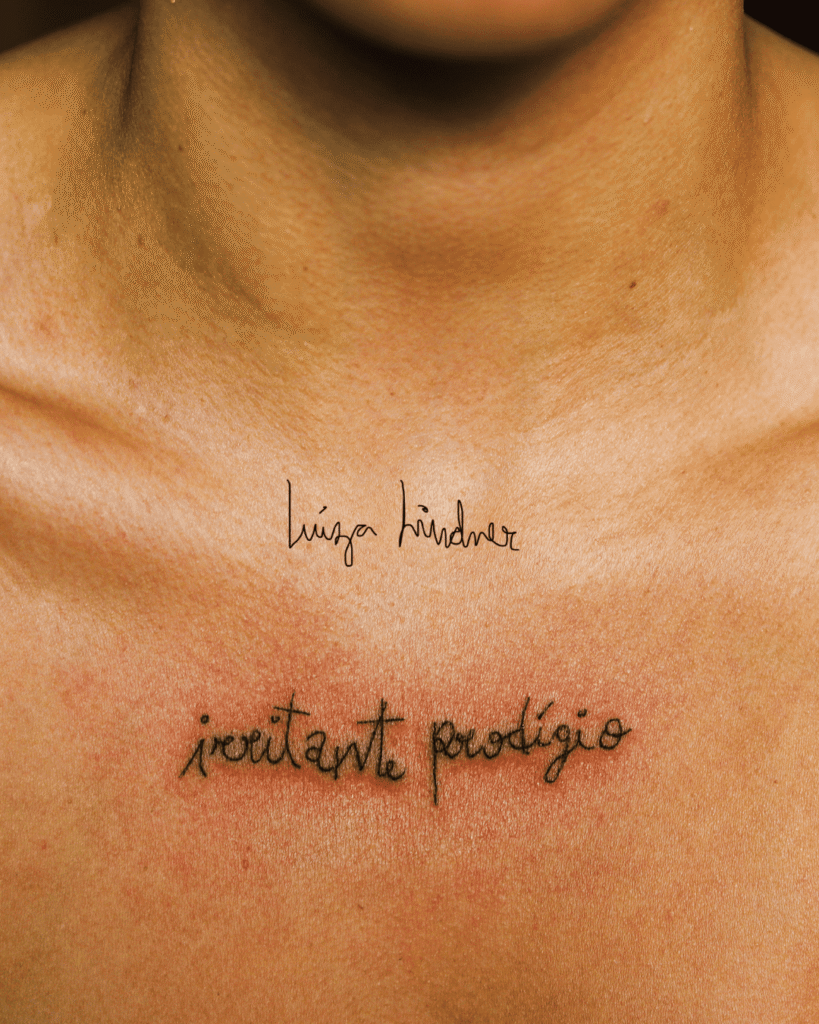
Best feature — Irritante Prodígio. Recognized for “transforming memory into language and vulnerability into creative strength,” straining “the limits between autobiography, performance and testimony,” in a gesture of “courage that disturbs and summons the viewer.”
Honorable mention — Maracatu Liberta, which “affirms the presence and strength of Black territoriality, where culture, memory and community intertwine,” recognizing “ancestry as a foundation of belonging and resistance.”
Contemporary Migrations
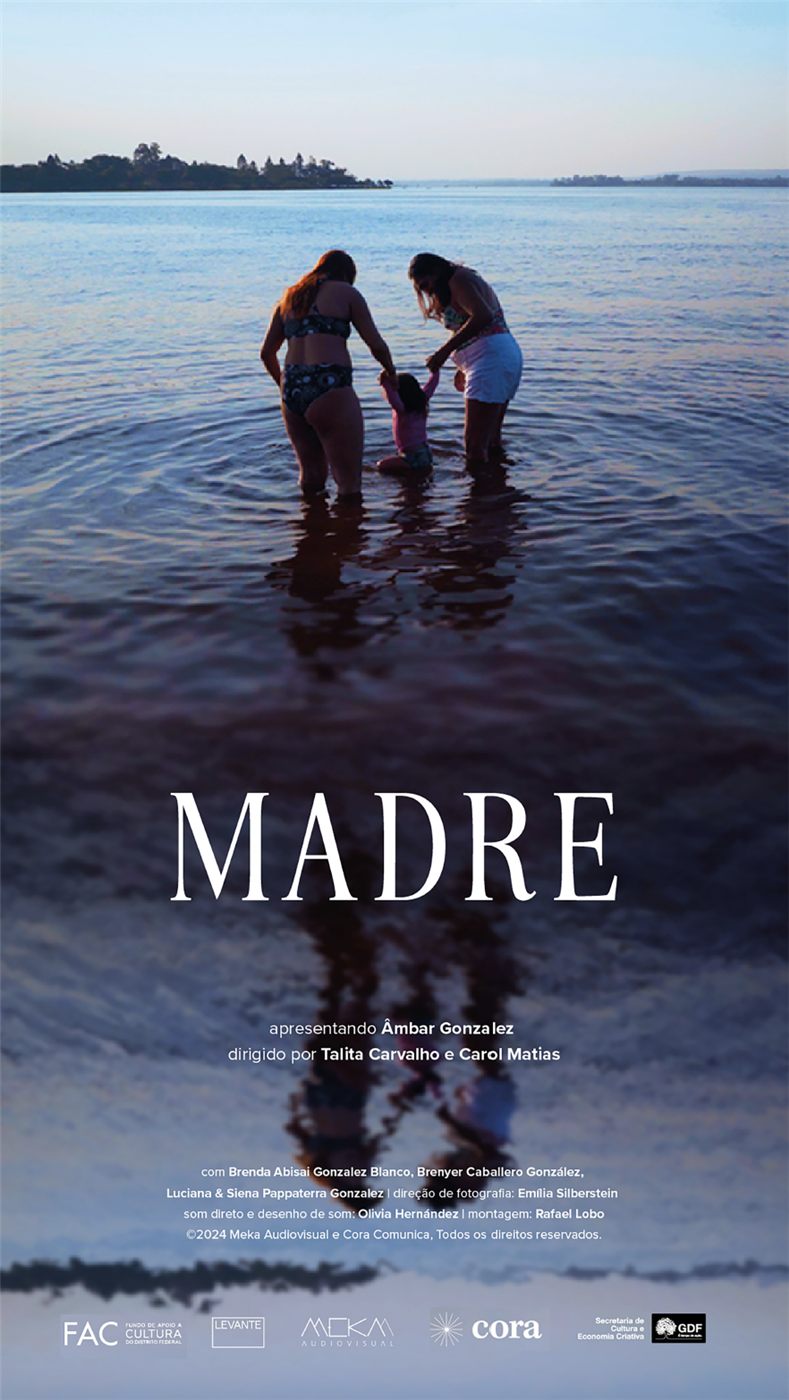
Shorts (Jury: Virna Paz and Cíntia Abitar) — Winner: Madre, “a beautiful, intimate short with cinematic refinement,” which “tells the story of Ambar, a Venezuelan mother who comes to Brazil — a film that stays in the memory and the heart.”
Features (Jury: Sofia Dávila and Igor Gama) — Winner: O Rancho da Goiabada, ou Pois é Meu Camarada, Fácil, Fácil Não é a Vida, “a film that is not afraid,” which “alternating between fiction, documentary and archive images, builds a character that reflects the essence of Brazil and the people who built it, valuing labor.” Special jury mention: Um habitante e sua cidade, which “through absence and silence portrays the life of Usman, an African and Muslim immigrant in Madrid, questioning racial equality and the integrity of human life.”
Rewatch the complete awards ceremony on the Pupilo TV YouTube channel.